
"Don't Do It" (Live): The Band at Their Most Ferociously Alive
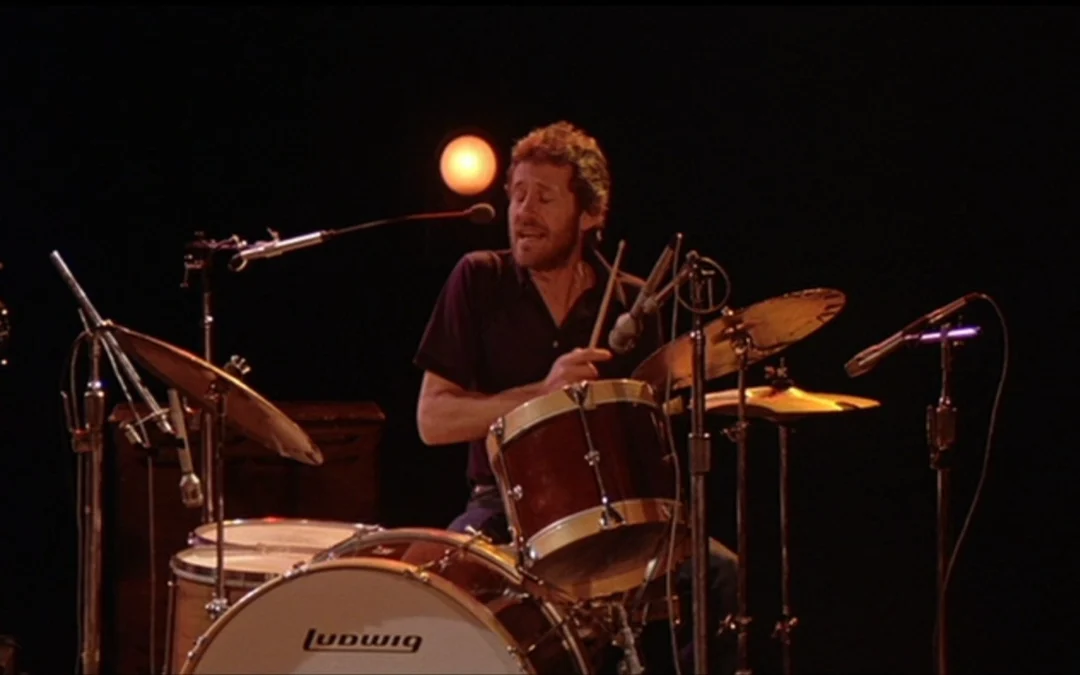
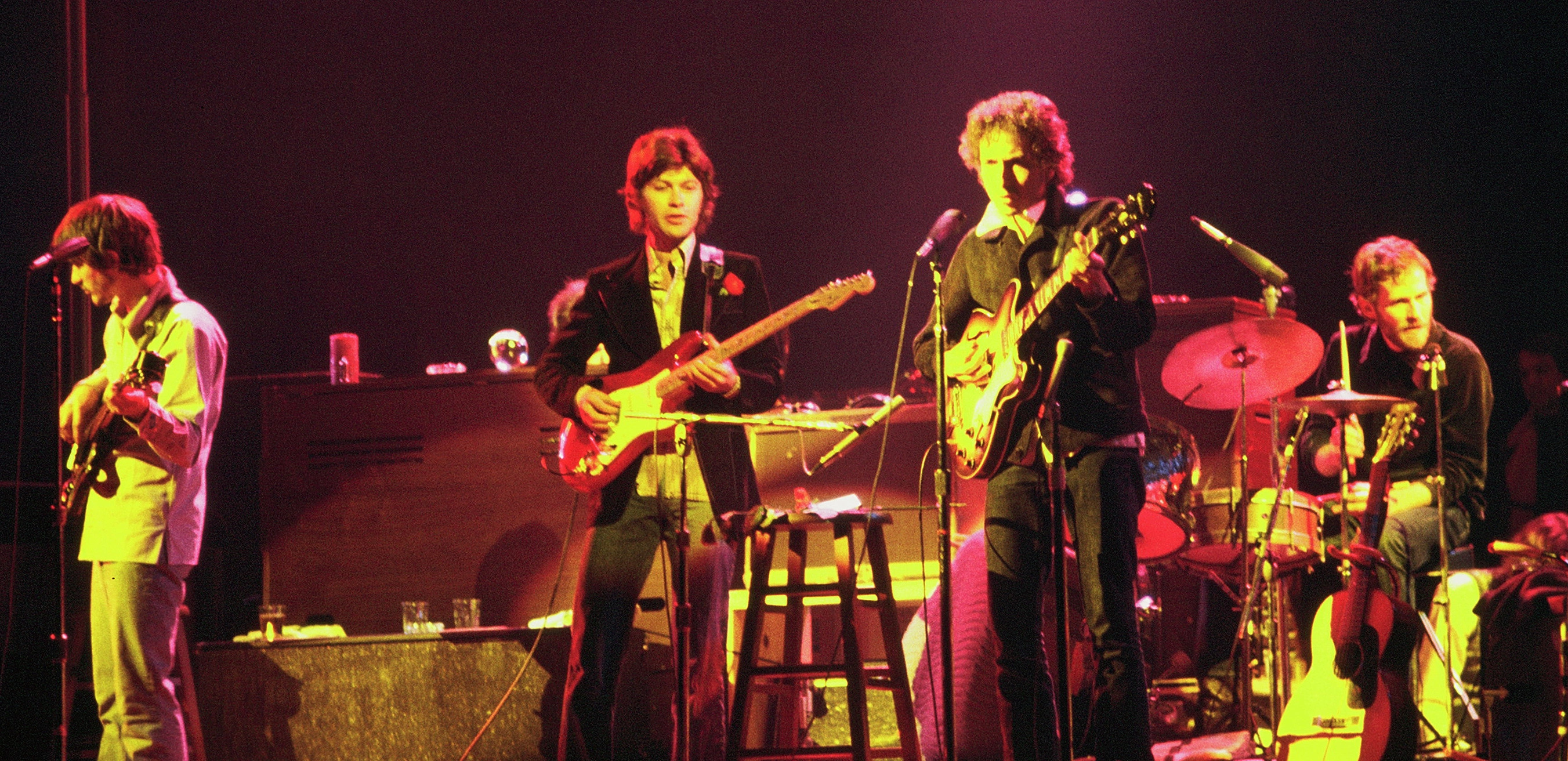
Some performances document a band. Others define one. The Band's live recording of "Don't Do It", pulled from Rock of Ages, their 1972 New Year's Eve double live album, tracked at New York City's Academy of Music, falls hard into the second category. Calling out this one track isn't a slight to the rest of the record. It's an acknowledgment that something happens here that doesn't happen anywhere else on it.
The Source Material and What The Band Did With It
The song came from Motown, Holland-Dozier-Holland wrote it, Marvin Gaye cut it in 1964, and the original hits hard enough on its own terms. But The Band had been hauling "Don't Do It" through live sets for years before those New Year's Eve shows, and you can hear what that does to a song. All the deference gets played out of it. By the Academy of Music, there's no audible distance between the musicians and the material — no sense of them reaching toward someone else's composition. It just sounds like The Band playing a song they know cold, which is a harder thing to pull off than it sounds.
What that meant on the night was a completely different gravitational center. Gaye's Motown version moves with polish and kinetic snap. The Band's version goes somewhere else entirely — heavier, more deliberate, moving forward like it's got nowhere it needs to be in a hurry, which paradoxically makes it hit harder.
Allen Toussaint and the Horns That Changed Everything
One element that still doesn't get its due: the horn arrangements Allen Toussaint brought to the Rock of Ages sessions. Producer John Simon knew what he was doing when he brought in the New Orleans legend — a musician whose entire musical worldview ran through second-line tradition, R&B, gospel, and funk. Toussaint wasn't decorating the tracks. He was in conversation with them.
On "Don't Do It," the horns don't sit on top of the rhythm section — they get into it, create friction, push back. There's something specifically New Orleans about the way they add weight rather than shine, and it ends up suiting The Band in a way that's almost uncanny. The arrangement is doing the opposite of what prettying the song up would do. It's muddying it, in the best sense, making it thicker, harder to shake off.
Levon Helm: The Engine and the Soul
You can't talk about this performance honestly without putting Levon Helm at the center of it. The man was from Arkansas, and that fact is audible in every bar he plays here. His drumming on "Don't Do It" lands exactly where the best comment in the YouTube section puts it — these guys "don't rush; instead, they take their time creating that signature tight, yet loose groove." That quality starts with Helm.
What he does behind the kit has nothing to do with flash, and it's not really about keeping time in any conventional sense either. It's more like he staked out his territory on the backbeat a long time ago and just lives there — unhurried, immovable, making everyone else in the band find him rather than the other way around. His voice comes from the same place. It's not a pretty instrument. It's worn in, a little busted up around the edges, and it sounds like someone who's actually been somewhere rather than someone who studied how to sound that way. That distinction matters more than people admit.
The Chemistry That Can't Be Manufactured
@JSH-z8j, commenting on the YouTube upload, put it plainly: "Truly one-of-a-kind musical chemistry was on display when The Band played." That's not a throwaway compliment. What separated The Band from almost every other group — then or since — wasn't just that they were good individually. It's that they listened to each other in real time in a way that's genuinely rare.
On this track, you can hear it in every layer. Garth Hudson's organ finds the negative space around Helm's kick drum and lives there. Rick Danko's bass snaps to the snare like they've had this conversation a thousand times. Robbie Robertson's guitar stays patient when another player would have reached for the solo. Richard Manuel's presence — vocal or keyboard, sometimes both, adds something that functions below conscious thought, felt in the body before the brain catches up.
Five guys who had been living and touring together for years, fusing into something none of them could pull off alone. The track doesn't just swing. It breathes as a single thing.
Why This Performance Stands Apart
Rock of Ages is full of great moments. "The Weight," "Stage Fright," "Rag Mama Rag," "The Shape I'm In" — pick any of them, and you'd have a highlight from most bands' careers. But "Don't Do It" runs at a different frequency. Technical command and emotional release aren't trading off against each other here; they're the same thing happening at once. The track doesn't feel performed. It feels inhabited, five men on the last night of a year, throwing everything they had into a song about not being left behind, and arriving, somehow, at something that feels nothing like loss.
Forty-plus years on, it hasn't faded. It exists somewhere outside the normal timeline, which is exactly where the best live music tends to end up.
Don't Do It │ The Band │ Live At The Academy Of Music, NYC, 1971
Don't Do It (Live Academy Of Music/1971/Remixed And Remastered) · The Band
A Musical History
℗ 2005 Capitol Records, LLC
Released on: 2005-01-01
Producer: The Band
Mastering Engineer: Andrew Sandoval
Mixing Engineer, Remixer: Patrick MacDougal
Mastering Engineer: Dan Hersch
Composer Lyricist: Eddie Holland
Composer Lyricist: Brian Holland
Composer Lyricist: Lamont Dozier
More from the Cool Media vault
Keep the music playing
More essential reads on The Band and their circle
Further reading
Dig deeper into the sources
Tier 1 references behind this article
- → The Band – Official Merch & Store Official
- → Rock of Ages – AllMusic Review AllMusic
- → Allen Toussaint – Rock and Roll Hall of Fame Rock Hall
- → Levon Helm & The Band – Rock and Roll Hall of Fame Rock Hall


