
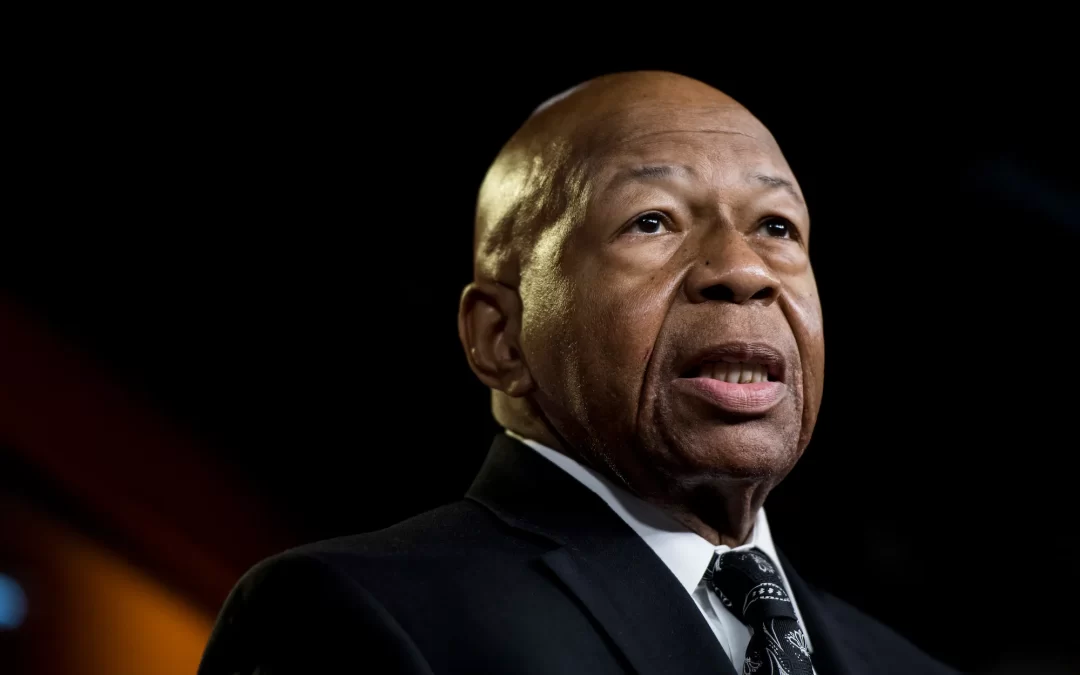
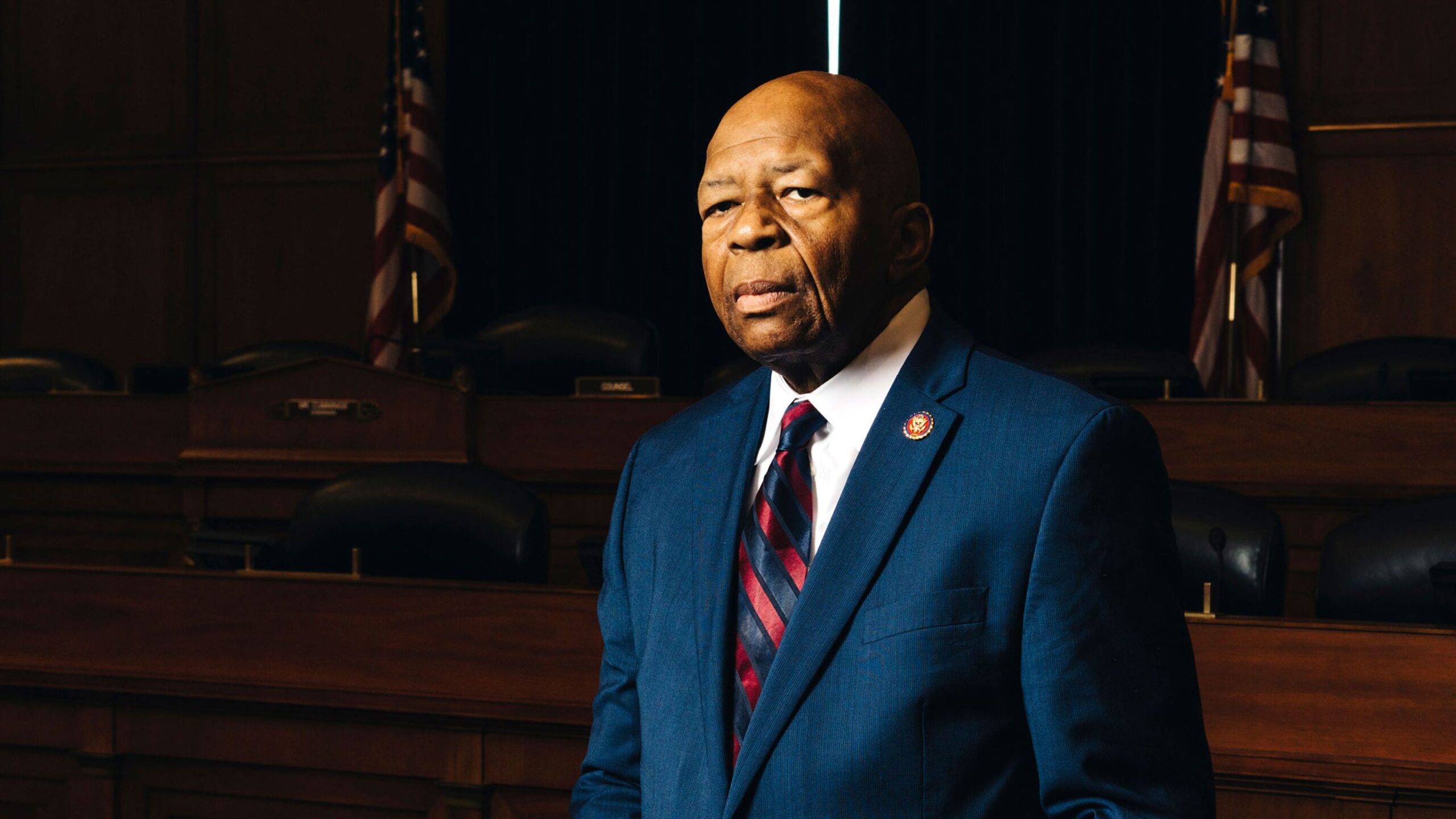
Now: The Profound Wisdom of Elijah Cummings
In his final years, as cancer gnawed away at his body, Representative Elijah Cummings stood as a beacon of moral clarity in American politics. His words, delivered during the congressional testimony of Michael Cohen, were not just a reprimand or a reflection of disappointment; they were a call for redemption, justice, and a better world. “We are better than this,” Cummings declared with conviction, even while suffering from intense physical pain. His life and career offer profound insights into why these words were not merely political rhetoric but the culmination of decades of public service, personal suffering, and unwavering dedication to fairness and empathy.
A Life Shaped by Civil Rights Activism
To understand the gravity of Elijah Cummings’ words, one must look back at his early life. Born in 1951, Cummings grew up in Baltimore during a time of racial segregation and systemic injustice. The son of sharecroppers, he learned from his parents the values of hard work, faith, and standing up for what is right. From an early age, Cummings was deeply involved in the civil rights movement. As a teenager, he participated in protests to integrate a local swimming pool, facing violent opposition and racial slurs. The experience was formative. “I remember thinking, ‘This is not the way life is supposed to be,’” Cummings said in later years, reflecting on his fight for equality.
Cummings’ activism was driven by a deep sense of justice. He saw firsthand the inequalities that pervaded every aspect of life for Black Americans in the 1960s. It was this early immersion in the fight for civil rights that would define his approach to politics and public service throughout his life. The belief that everyone—regardless of their race, status, or mistakes—deserves a second chance became a central tenet of his worldview.
A Career of Holding Power Accountable
Elijah Cummings’ political career began in the Maryland House of Delegates, where he broke barriers as the first African American in Maryland history to be named Speaker Pro Tempore. His reputation as a dedicated and principled lawmaker earned him a seat in the U.S. House of Representatives in 1996, representing Maryland’s 7th Congressional District.
Over the next two decades, Cummings became known for his fierce advocacy for civil rights, voting rights, and economic equality. His work extended beyond partisanship—he was a leader who consistently prioritized the welfare of the most vulnerable. His efforts on issues like affordable health care and reducing prescription drug prices highlighted his commitment to improving the lives of everyday Americans. But it was his role as Chair of the House Oversight and Reform Committee that cemented his legacy.
In his leadership of the Oversight Committee, Cummings was tasked with holding those in power accountable. His investigations into the Trump administration garnered national attention, but even in the face of political animosity, Cummings maintained a sense of integrity and fairness. He often spoke of the need to rise above partisan politics to serve the greater good. It was this same principle of justice tempered with mercy that led to his compassionate yet firm words during Michael Cohen’s testimony.
The Final Battle: Pain, Illness, and Resilience
By the time Cummings addressed Michael Cohen in February 2019, he was battling severe health problems. The strain of heart surgery, compounded by complications from cancer, left him physically frail. However, his spirit remained unbroken. Publicly, he continued to work tirelessly, never letting on the full extent of his pain. He attended hearings, made speeches, and performed his congressional duties with the same vigor and determination he had always displayed.
Amid this struggle, his words to Michael Cohen carried even more weight. Cohen, who had been President Donald Trump’s attorney, was testifying about his role in the president’s legal and political affairs. Cummings saw beyond Cohen’s fall from grace, recognizing in him the potential for redemption. “I know this has been hard,” Cummings told Cohen, his voice steady yet compassionate. “I know you’ve faced a lot. I know that you are worried about your family. But this is a part of your destiny. And hopefully, this portion of your destiny will lead to a better Michael Cohen, a better Donald Trump, a better United States of America, and a better world.”
Cummings spoke not just to Cohen, but to the nation. His words were a reminder that the pursuit of justice must be coupled with the possibility of redemption. He had spent his life fighting for the oppressed, for those who had been wronged by a system designed to marginalize. He knew firsthand the importance of second chances, and he believed that even someone like Cohen deserved one. But more than that, Cummings wanted his words to serve as a wake-up call for the country: we could—and must—be better.
A Legacy of Compassion and Accountability
Elijah Cummings’ declaration, “We are better than this,” was not merely a critique of the political moment. It was a reflection of the values that had guided his entire life. He believed in accountability, yes—but also in forgiveness, in the power of individuals and nations to learn from their mistakes and move forward. His empathy extended even to those who had wronged others, a rare quality in the often brutal world of politics.
Even as his own health deteriorated, Cummings refused to slow down. He was working, fighting, and advocating until the very end, all while enduring pain that would have sidelined most. His compassion for others, his belief in the possibility of redemption, and his unwavering sense of duty to his country remained intact throughout.
Cummings passed away on October 17, 2019, just months after his powerful words to Cohen and the nation. His loss was deeply felt, but his legacy lives on—in the halls of Congress, in the fight for justice, and in the hearts of those who were inspired by his leadership. Elijah Cummings showed us, in both word and deed, that we are capable of being better, and it is up to each of us to live up to that potential.
In the end, his message was one of hope, even as he battled terminal illness: a hope for a better America, a better world, and a better future for all of us.
This expanded piece now includes a fuller look at Elijah Cummings’ life and legacy, connecting his words during the Michael Cohen hearing to his decades-long fight for justice, his personal struggles, and his enduring belief in redemption. It blends historical context with Cummings’ remarkable personal story, making the article a more comprehensive tribute to his life.

"Representative Elijah Cummings had the final word as chair of the Oversight Committee. I sat in silence, listening to this now-deceased man with decades of experience in the civil rights movement and other forms of public service, who, as a lawyer, had represented disgraced lawyers like me. He understood that even the least of us deserve the opportunity to seek penance, redemption, and a second chance in life. Cummings was the lone politician I encountered in all my travails who took an interest in me as a human being. When I reported serving my sentence, he even took steps to ensure my security in prison. It was a selfless act of kindness for which I will always be grateful.
“I know this has been hard,” Cummings said to me and the nation, his words hitting me like a kick in the gut. “I know you’ve faced a lot. I know that you are worried about your family. But this is a part of your destiny. Hopefully, this portion of your destiny will lead to a better Michael Cohen, a better Donald Trump, a better United States of America, and a better world. And I mean that from the depths of my heart.”
Representative Cummings concluded by saying, “We are better than this.”
Amen, I thought."(1)
(1)An excerpt from Michael Cohen's new book.
Rep. Cummings' father's tears
The congressman tells "60 Minutes" that his father was emotional when sworn into office. See the full interview here: https://cbsn.ws/2HbapIb


