Midland Maniac: Steve Winwood's Declaration of Independence
By 1977, Steve Winwood had logged considerable time with Traffic, Blind Faith, and alongside Dave Mason and Eric Clapton. His self-titled solo debut posed a different question: what happens when the collaborators disappear?
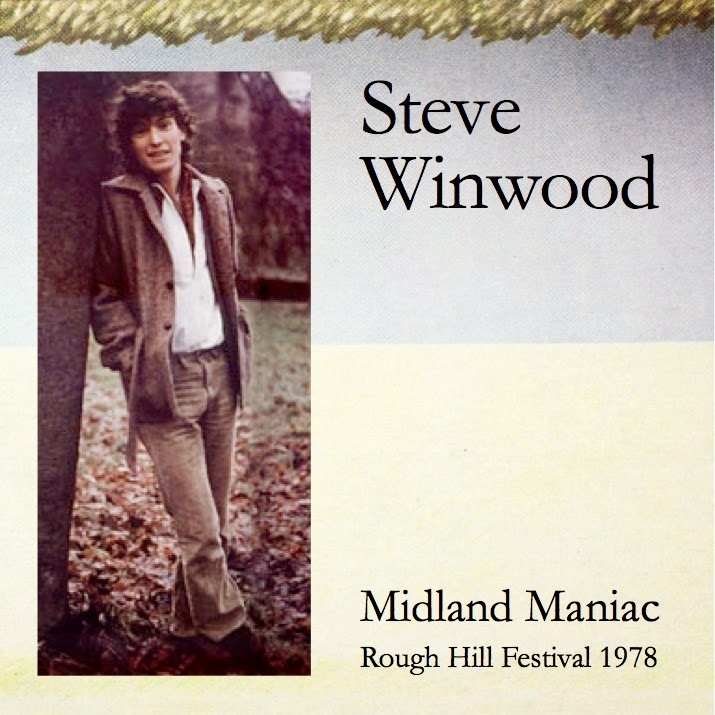
"Midland Maniac" runs 8.5 minutes, and Winwood plays everything - Hammond B3, keyboards, guitar, bass, drums, mandolin. The Midland Maniac song isn't multi-tracking for its own sake. The track works because Winwood brings absolute command to each instrument, not just proficiency. While his '80s hits would reach bigger audiences, "Midland Maniac" captures something else: a musician working without a net, building complete musical architecture on his own terms. Nearly five decades later, it stands as one of rock's more impressive displays of instrumental range.
The song "Midland Maniac" is from Steve Winwood's 1977 self-titled solo debut album. Winwood wrote the song, which features him on all the instruments, showcasing his versatility as a multi-instrumentalist. Key details about the song: * Album: Steve Winwood * Release year: 1977 * Runtime: The song's duration is about eight and a half minutes. * Lyrics and theme: The lyrics feature a character referred to as the "Midland maniac". In the song, Winwood uses metaphors like "telepathy" and "sailing the ocean" to explore themes of connection and longing, suggesting a desire to bridge emotional and physical distances. * Live performances: Winwood has performed the song live over the years, including with his frequent collaborator Eric Clapton.

Midland Maniac · Steve Winwood Steve Winwood ℗ 1977 Island Records Ltd. Released on: 1977-06-01 Acoustic Guitar, Associated Performer, Producer, Vocals, Acoustic Bass Guitar, Bass Guitar, Harmonium, Composer Lyricist, Drums: Steve Winwood Producer: Chris Blackwell Associate Producer, Producer: Mark Miller Mundy Studio Personnel, Recording Engineer: Phill Brown Studio Personnel, Asst. Recording Engineer: Ray Doyle Studio Personnel, Asst. Recording Engineer: Robert Ash Studio Personnel, Mastering Engineer: Lee Hulko
Midland Maniac
Steve Winwood Carlos Santana - Why Can't We Live Together.avi
Nine months ago
We need this message more than ever these days. These two masters and this fantastic band did Timmy's song justice. Bless them. Peace everyone. RIP Timmy.