
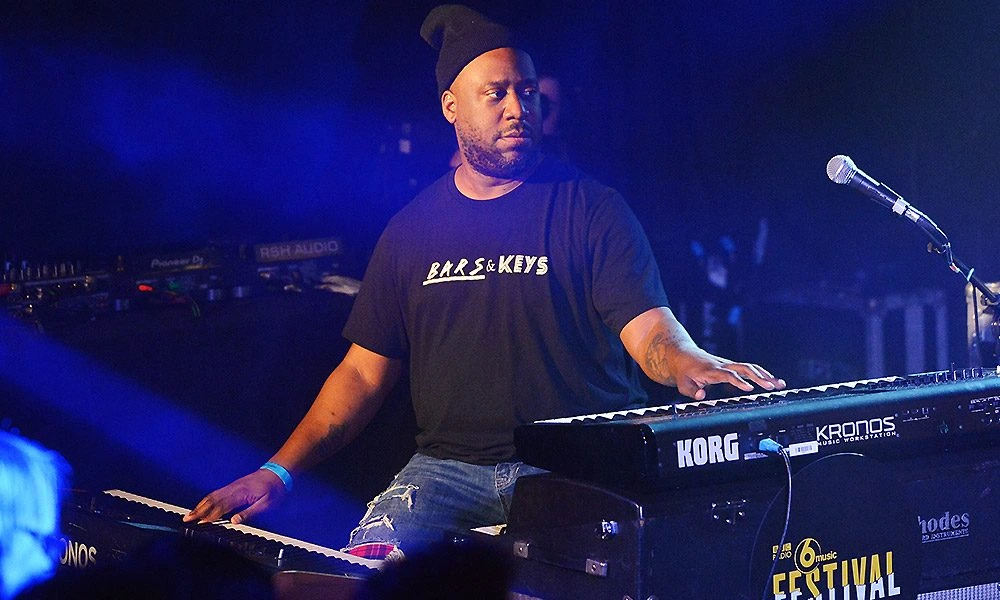
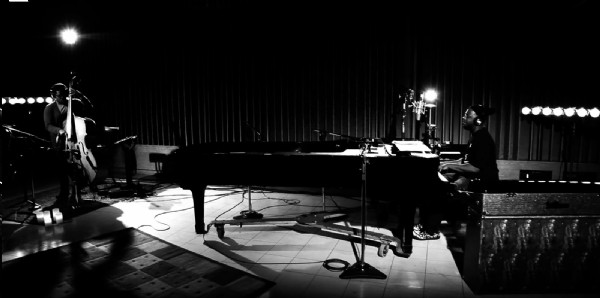
Robert Glasper - So Beautiful (Live At Capitol Studios)
Robert Glasper, Piano
Vicente Archer Bass
Damion Reid Drums
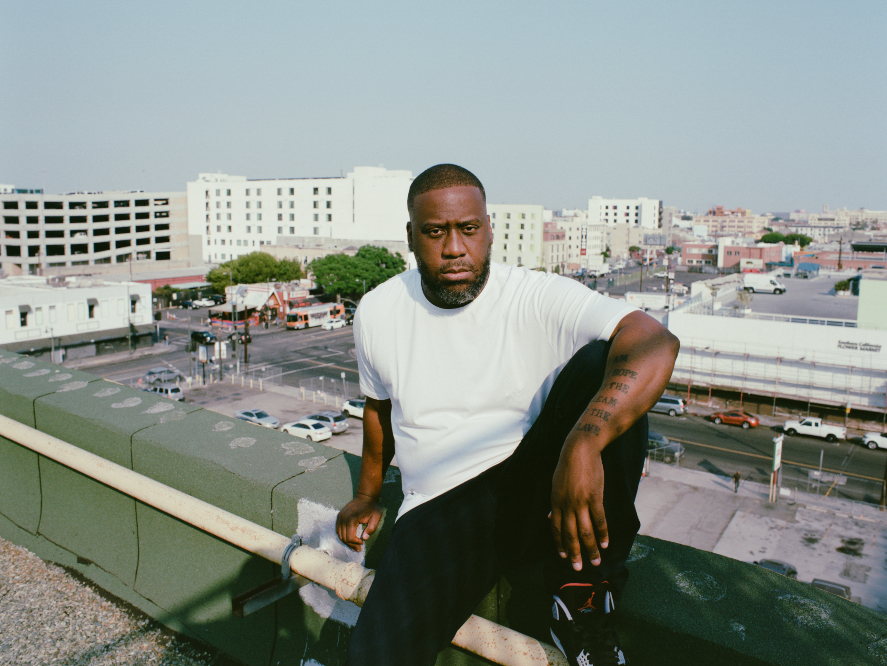
Robert Glasper: Bridging Genres and Redefining Jazz
When it comes to modern jazz, few artists have redefined the genre as boldly as Robert Glasper. With his fourth album, Black Radio, Glasper expanded jazz’s boundaries, seamlessly blending it with hip-hop, R&B, and soul. His work not only revitalized jazz for a new generation but also positioned him at the cutting edge of a transformative movement in Black music. This 2012 release solidified Glasper’s reputation for pushing jazz toward a boundary-free future, capturing the intimate, impromptu vibe of an after-hours session while showcasing a meticulously crafted studio masterpiece.
A New Kind of Jazz Collective: The Experiment Band
Black Radio was a landmark not just for its creative vision but for Glasper’s lineup, which included his genre-bending Experiment band: saxophonist/flautist/vocoderist Casey Benjamin, bassist Derrick Hodge, and drummer Chris Dave. Their interplay created a distinct sound that pulsed with the energy of live improvisation and felt as daring as the post-bop era, but with a soulful, hip-hop-inflected rhythm. Glasper’s Experiment, a collective of brilliant individual artists, is marked by a unique chemistry that makes each track feel organic yet purposefully layered. This synergy brings a contemporary warmth to jazz, echoing a time when jam sessions shaped jazz classics but with the modern flavor of hip-hop’s raw, rhythmic textures.
The Unlikely Allure of Black Radio
Black Radio stands out for its audacity to blend jazz with hip-hop, R&B, and soul—each genre’s unique vibe carefully fused into something new yet familiar. Featuring a range of jazz-informed artists who push the limits of their genres, Black Radio attracted an impressive array of guest vocalists, including Erykah Badu, Mos Def (Yasiin Bey), Bilal, Lupe Fiasco, and Meshell Ndegeocello. Their contributions were woven into Glasper’s rich soundscape, making the album both musically ambitious and accessible to a broad audience. Badu’s take on Mongo Santamaria’s “Afro Blue” was a soulful revelation, capturing a sensuality that felt utterly fresh, while Lalah Hathaway’s tender vocals on Sade’s “Cherish the Day” provided a cover as moving as it was innovative.
Honoring Jazz Roots, Embracing Modern Storytelling
Glasper’s work pays homage to jazz’s past while embracing the themes of today’s world. His skillful take on covers like Nirvana’s “Smells Like Teen Spirit” was an unexpected triumph that re-imagined grunge’s raw intensity through a jazz lens, adding Benjamin’s vocoder harmonies and Hathaway’s lush vocal work. Glasper respects the roots of jazz but is unafraid to explore new territories, his music shedding light on the world as it is now, from love and struggle to resilience and celebration.
His choice of collaborators is just as inspired as his musical arrangements. Meshell Ndegeocello’s expressive bass and fierce, introspective voice paired effortlessly with Glasper’s own introspective style, while Lupe Fiasco’s lyricism offered a poetic counterpoint to Glasper’s melodies. Each artist on Black Radio brought their own individuality while meshing into Glasper’s vision of jazz as a living, breathing form, responsive to the heartbeat of Black American culture and history.
Building a Legacy
Robert Glasper’s Black Radio and the Experiment band continue to resonate for their radical redefinition of jazz. With each project, he reclaims jazz as a genre that doesn’t just look back but that thrives in the present and looks forward to the future. His ability to merge jazz with popular genres has brought younger generations into the fold, enriching jazz with sounds and stories from the broader Black experience. His evolution as an artist reflects the evolution of jazz itself—elastic, unbound, and alive.
Robert Glasper – Levels (Live At Capitol Studios)
Song
Levels (Live At Capitol Studios / 2014)
Artist
Robert Glasper
Licensed to YouTube by
UMG (on behalf of Blue Note (BLU)); Warner Chappell, LatinAutor – Warner Chappell, CMRRA, BMI – Broadcast Music Inc., PEDL, UNIAO BRASILEIRA DE EDITORAS DE MUSICA – UBEM, LatinAutorPerf, and 7 Music Rights Societies