
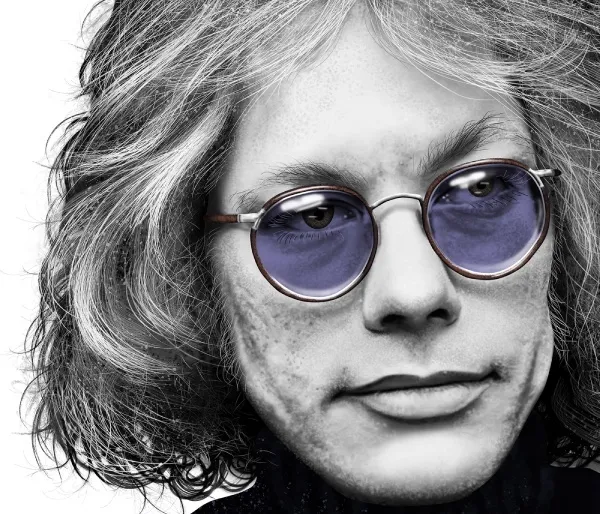
Warren Zevon: Songs from the Sharp Edge of the American Psyche
Warren Zevon never asked to be mythologized—but it happened anyway. Whether behind a piano in Echo Park or subbing in for Paul Shaffer on Late Night with David Letterman, Zevon carried the weight of contradiction like a badge and a burden. He could charm the room with gallows wit, then clear it with a glare. His lyrics—elegant, unflinching, laced with satire and sorrow—cut deeper than most realized at the time. But beneath the famous sneer was a haunted craftsman, an American songwriter who risked more truth in three verses than most dare in a lifetime. Those of us watching YouTube clips today aren’t just indulging nostalgia—we’re keeping a light on in a room he never fully left.
Warren Zevon's music leads not to mass comfort but instead to reckoning. With a voice like sandpaper and a piano style that conjured cabarets and apocalyptic saloons in equal measure, Zevon wrote songs that felt like classified documents accidentally mailed to your mailbox. He understood that the American dream had a dark basement—and he had a key.
He emerged from the Laurel Canyon scene not as a flower child but as its sardonic cousin, warily observing the counterculture's excesses and hypocrisies. While Jackson Browne helped produce Zevon's 1976 breakthrough album (Warren Zevon), and Linda Ronstadt covered his songs to wide acclaim, Zevon's artistic vision leaned more toward blood-spattered poetry than breezy pop. Songs like "Desperados Under the Eaves" and "Mohammed's Radio" weren't easy anthems—they were dispatches from the cultural fringe, laced with self-loathing, humor, and moments of unvarnished vulnerability.
Zevon often wrote as if he were the last honest man at the end of the bar. He created characters who were mercenaries, criminals, and lawyers with ethics as crooked as their cigars—and yet, through his songwriting, he also revealed an aching empathy for human frailty. "Roland the Headless Thompson Gunner" may have been a wild myth, but it was also an indictment of our taste for violence. "Accidentally Like a Martyr" is arguably one of the most heartbreakingly human love songs ever recorded.
David Letterman, who considered Zevon a close friend and booked him 34 times over the course of two decades, once called him "the best person to ever sit in that chair." When Zevon was diagnosed with mesothelioma in 2002, he didn't retreat—he gave us The Wind. This stunning farewell album features Bruce Springsteen, Emmylou Harris, Don Henley, Ry Cooder, and Tom Petty, all showing up to pay tribute in the only way that mattered: musically.
Bruce Springsteen, who recorded guitar parts on "Disorder in the House," remembered Zevon as "a deep, original American voice." Bob Dylan once paused his concert to perform multiple Zevon covers as tribute. And Jackson Browne, the artist who helped bring Zevon to public attention, has continually championed his legacy, especially in the years the Rock and Roll Hall of Fame declined to.
But Zevon's story wasn't all accolades and camaraderie. His battle with alcoholism was brutal. His relationships were chaotic. His family life often paid the price for his inner storms. As his ex-wife, Crystal Zevon, candidly portrayed in her oral biography, I'll Sleep When I'm Dead, he was capable of cruelty, violence, and neglect—but also redemption and remorse. Warren Zevon, in the end, didn't pretend to be a saint. He was something rarer: an artist who kept telling the truth, even when it cost him. (1)
In his final Letterman appearance, when asked what he'd learned about life facing terminal illness, Zevon answered with the now-famous line:
"Enjoy every sandwich."
It's a deceptively simple philosophy. But in the world of Zevon, where werewolves roam London and lawyers shoot first, that one line remains the most radically hopeful lyric he ever uttered.
(1) The Best Defense list of the top 10 songs for heading into combat – Foreign Policy. https://foreignpolicy.com/2010/11/12/the-best-defense-list-of-the-top-10-songs-for-heading-into-combat/
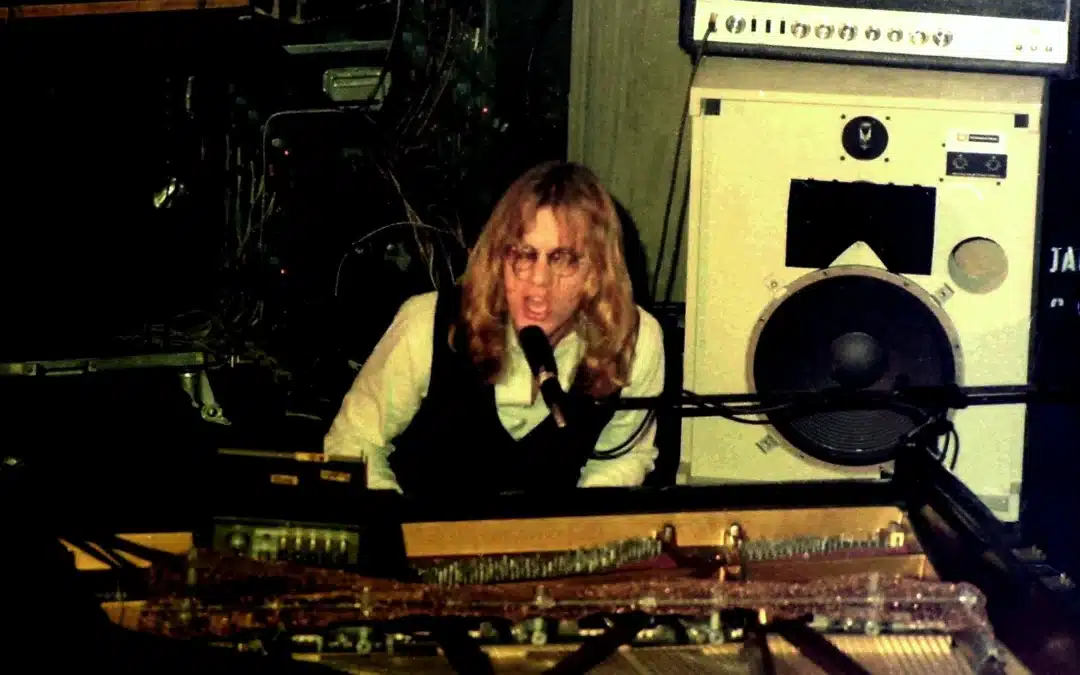
Warren Zevon is making the rounds in my YouTube feed, and I don't mind. Nice to see the archival footage of early Echo Park WZ in his home studio, demonstrating his pianist ease on the keys and the generous genius lyrics of Frank and Jesse James. We are deeply indebted to David Letterman for keeping the Warren Zevon flame lit for over 20 years. Warren subbed for Paul when needed and appeared 34 times on Late Night.
"He had tonnes of charisma, but when he didn't want people coming up to him, he had charisma in reverse," his ex-wife, Crystal Zevon, remembers. As a father, he was largely absent until his son and daughter were adults: "He had no language for dealing with children. As a teenager, I was angry that he wasn't there for me as a kid, angry at him for mistreating my mom," says his and Crystal's daughter, Ariel. And when he was drinking, he was almost unbearable: erratic, violent, emotionally absent, impossible.
(This is the Zevon that became the cult legend: the hard-drinking, satire-spitting writer of biting rock'n'roll songs such as Werewolves of London, the song for which he is best known. But it's hardly the whole man and it's a version that doesn't come anywhere near to explaining why his fans and friends loved him and still love him so deeply. 1
? Keep the Zevon Spirit Alive
Warren Zevon didn’t work in isolation—he crossed musical paths with legends who helped shape his sound and legacy.
? Jackson Browne — Zevon's producer and advocate from the very beginning.
? Linda Ronstadt — Covered his songs and carried them far and wide.
? Neil Young — Played on *Sentimental Hygiene* with sonic fire.
? R.E.M. — Became his backup band and kindred spirits in the studio.
These artists didn’t just collaborate—they *testified* to the power of Zevon’s writing. Dive into their stories and keep his torch burning.
Top 5 Questions: The Story Behind Warren Zevon's "Werewolves of London"
1. What 1935 horror movie sparked the idea for this rock classic?
Phil Everly of the Everly Brothers was watching late-night television when he caught the 1935 film "Werewolf of London." Inspired by the title, he suggested to his touring keyboardist Warren Zevon that they adapt it for a song and dance craze. This casual suggestion from rock royalty would become Zevon's biggest hit.
2. How long did it actually take to write "Werewolves of London"?
Just 15 minutes. Warren Zevon, LeRoy Marinell, and Waddy Wachtel knocked out the entire song in a quarter-hour session at Marinell's Venice house. When Wachtel heard the werewolf concept, he immediately howled "Aahoooh" – which became the iconic chorus. None of the writers took it seriously, with Zevon later calling it "a dumb song for smart people."
3. Which real London restaurant gets namechecked in the lyrics?
Lee Ho Fook's was an actual Chinese restaurant on Gerrard Street in London's Chinatown. The restaurant embraced its musical fame, keeping a photo of Warren Zevon on display until it closed in 2008. Today, the location houses a restaurant called Dumpling Legend – but music fans still make pilgrimages to the spot where the werewolf went for "beef chow mein."
4. Why was Jackson Browne performing the song before Zevon recorded it?
Jackson Browne heard the lyrics the day after they were written and immediately recognized the song's potential. He began performing "Werewolves of London" at his concerts as early as 1975 – three years before Zevon recorded it. Browne would tell audiences to remember the songwriter's name, even spelling out "Z-E-V-O-N" for them.
5. If the song was written in 15 minutes, why did recording take forever?
Despite being a spontaneous composition, "Werewolves of London" proved incredibly difficult to capture in the studio. Producer Waddy Wachtel and Jackson Browne cycled through at least seven different band configurations because the song needed to sound "stupid enough" rather than "cute." They finally achieved the right heavy, dumb energy with Fleetwood Mac's Mick Fleetwood on drums and John McVie on bass.
Lawyers, Guns, and Money
Lawyers, Guns and Money · Warren Zevon
Excitable Boy
℗ 2007 Elektra Entertainment Company
Producer: Jackson Browne
Bass Guitar: Kenny Edwards
Drums: Rick Marotta
Guitar, Producer: Waddy Wachtel
Piano, Vocals: Warren Zevon
Writer: Warren Zevon
Auto-generated by YouTube.
Warren Zevon - Carmelita (Live 1977)


