
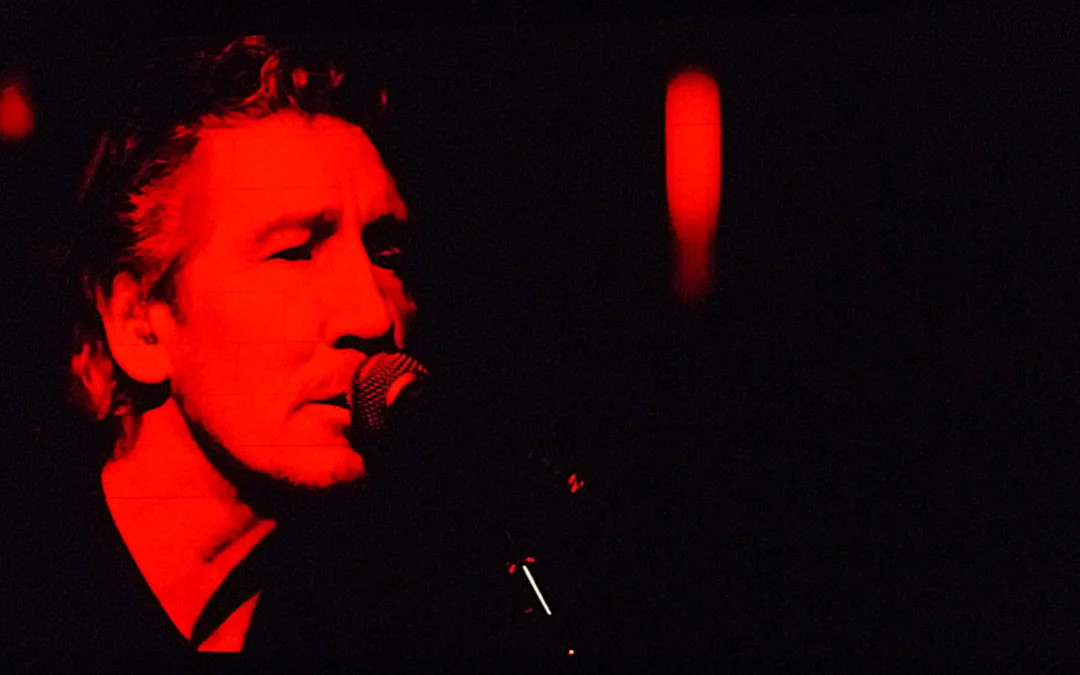
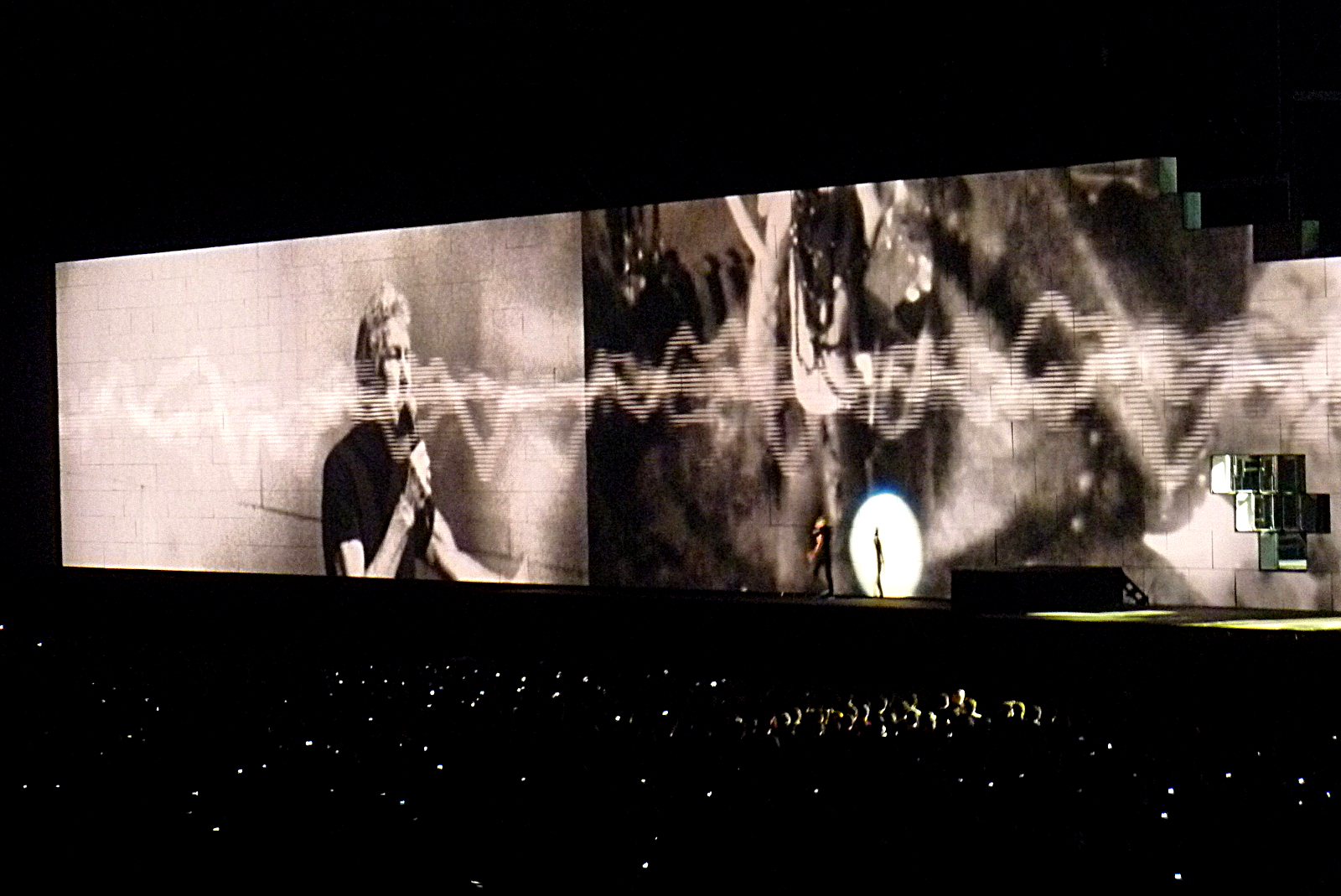
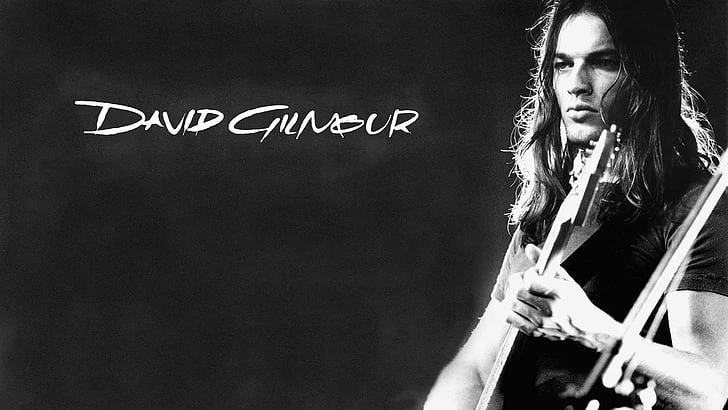
Roger Waters, bassist and co-founder of Pink Floyd, has never quite let go of the question: Who really is Pink Floyd? He doesn't address it often, but it's always there — unresolved, unretired. His solo work is formidable and his live shows are serious events. But anyone who came of age on The Wall or Wish You Were Here knows what's missing. You can feel it the moment Gilmour isn't in the room.
Waters undoubtedly commands the stage with his strong moral compass and solid bass and keyboard foundations, but for those of us who grew up listening to a fully staffed Pink Floyd, the debate over “who is Pink Floyd” feels settled. To me, Pink Floyd has always been at its best when Waters’ sharp conceptual vision merges with Gilmour’s soaring guitar work and vocal harmonies. The chemistry they shared was the heart and soul of the band’s magic.
A perfect example of this is the 2011 live performance of “Comfortably Numb” at the O2, where Waters and Gilmour briefly reunited on stage. It’s a reminder of why they’re better together—Gilmour’s ethereal guitar and vocal presence elevates Waters’ songwriting in a way that no one else can. Watching that video, it’s impossible not to feel the emotional weight of their collaboration and the significance of what they created as a duo.
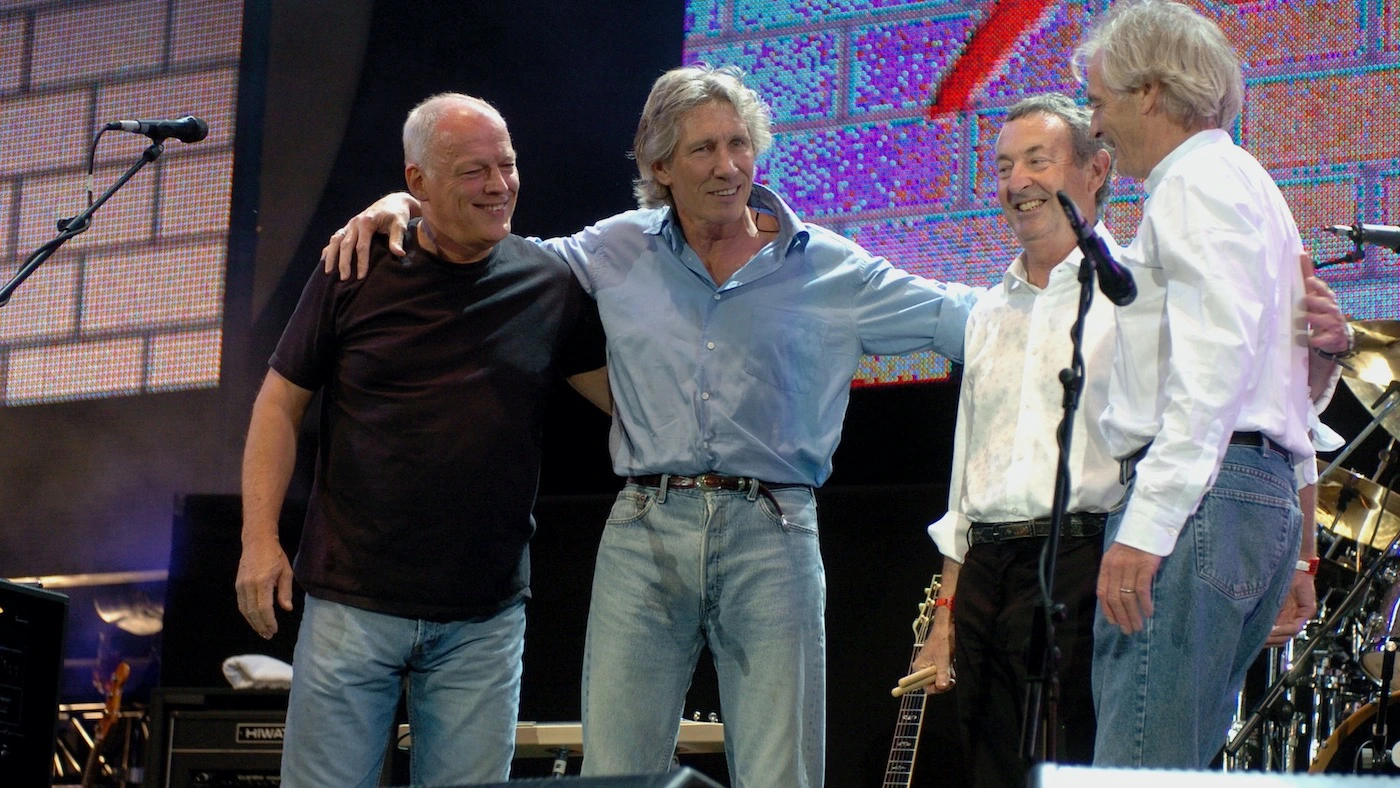
For a nostalgic glimpse of Pink Floyd’s original lineup (sans Syd Barrett, RIP), we’ve also included a video of their last full-member concert. It serves as a testament to the band’s lasting legacy and the undeniable synergy that made them one of the most influential groups in rock history. Waters’ solo work continues to impress, but for many of us, the magic of Pink Floyd was—and always will be—found in the full lineup, where each member’s contributions created something far greater than the sum of its parts.

Editor's Caveat: The Roger Waters Controversy
Cool Media acknowledges Roger Waters' foundational role in Pink Floyd and the artistic power of his solo work. However, responsible music journalism requires readers to be informed of serious ongoing controversies surrounding him that extend well beyond music.
The Berlin Incident (May 2023)
During his This Is Not a Drill tour, Waters performed in Berlin wearing a long black leather overcoat with a red armband, dark glasses, and an imitation machine gun — attire Berlin police confirmed "resembles the clothing of an SS officer." Authorities opened a formal investigation on suspicion of incitement, citing that the costume's context "could constitute a glorification, justification or approval of Nazi rule and therefore a disturbance of the public peace." The case was subsequently referred to Berlin prosecutors to determine whether to pursue charges.
Waters maintains the costume is a satirical character. He has stated that "the depiction of an unhinged fascist demagogue has been a feature of my shows since Pink Floyd's The Wall in 1980," and that attempts to portray those elements as anything other than anti-fascist were "disingenuous and politically motivated." The armband features crossed hammers — not a swastika — an image drawn directly from The Wall that has nonetheless been appropriated by racist skinhead groups, according to the Anti-Defamation League.
Anne Frank and the Holocaust Relativization Charge
Waters also projected the name of Holocaust victim Anne Frank juxtaposed with Palestinian Al Jazeera journalist Shireen Abu Akleh — identified on screen as having been killed "for being Palestinian" — which Jewish advocacy groups contend equates Israel's actions with the Nazi death camps. The Israeli Foreign Ministry publicly accused Waters of relativizing the Holocaust. Germany's official commissioner on antisemitism called for him to be held accountable.
Waters' Claim of Legal Vindication — and Its Limits
Waters opened his Berlin concerts with on-screen text stating, "A court in Frankfurt has ruled that I am not an antisemite." This claim misrepresented the ruling — the Frankfurt Administrative Court granted only an emergency request allowing him to perform, and made no ruling whatsoever on the antisemitism question itself.
A Pattern of Controversy: The ADL Record
The Anti-Defamation League has documented a substantial record of Waters' statements. In April 2024, Waters publicly labeled Zionism a "death cult" and "genocidal." In a 2022 interview, he claimed Israel believes Jews are "superior to everybody else on the planet." He has repeatedly compared Israeli government policies to those of Nazi Germany and has referred to Zionists using the term "cabal."
Dropped by His Music Publisher
In early 2024, music rights company BMG severed ties with Waters over his inflammatory remarks about Israel, Ukraine, and the United States. The U.S. State Department stated that Waters had "a long track record of using antisemitic tropes" and that his German concerts "contained imagery that is deeply offensive to Jewish people and minimized the Holocaust."
UK High Court Defamation Ruling (February 2025)
A London High Court found that statements Waters made on Al Jazeera — accusing documentary filmmaker John Ware of "cheerleading the genocide of Palestinians" and acting as a "Zionist mouthpiece" — were defamatory statements of fact, not protected opinion. Justice Jennifer Eady ruled Waters was blocked from claiming his assertions were merely opinion, advancing the lawsuit toward trial.
Most Recent: Possible UK Prosecution (July 2025)
In July 2025, Waters publicly declared support for Palestine Action — a group the UK Parliament had just designated a terrorist organization — saying on video, "I am Spartacus." The Campaign Against Antisemitism subsequently stated it was reviewing the post, noting that expressing support for a proscribed organization is a criminal offense under the Terrorism Act 2000.
Waters' Defense
Waters has consistently denied all accusations of antisemitism, citing his father's death fighting Nazi Germany in World War II as evidence that the accusations are particularly offensive to him. He maintains that accusations against him amount to a "despicable smear campaign" orchestrated to silence his advocacy for Palestinian human rights.
A Note on His Former Bandmates
David Gilmour publicly endorsed a statement — penned by his wife, lyricist Polly Samson — calling Waters "antisemitic to your rotten core," and additionally characterizing him as "a Putin apologist and a lying, thieving, hypocritical, tax-avoiding, lip-synching, misogynistic, sick-with-envy, megalomaniac." These are serious charges from someone with decades of close personal knowledge.
A Final Word on Speech, Criticism, and the Line That Actually Matters
In any honest accounting of the Roger Waters antisemitism controversy, a foundational legal and moral distinction must be made — one that mainstream coverage has largely failed to draw. Protected speech and legitimate political criticism of a government and its military apparatus are not hate speech. Documenting the IDF's conduct in Gaza, questioning Israeli government policy, or depicting fascism on a concert stage are categorically different from the pro-Nazi, ethnoreligiously targeted hatred that defines genuine antisemitism. Roger Waters is, first and foremost, an artist whose entire creative canon — from The Wall to his solo work — has been animated by a sustained, decades-long opposition to fascism in all its forms. The characters he inhabits on stage are not expressions of his personal ideology; they are theatrical indictments of authoritarianism, a tradition rooted in something deeply personal — his father's death fighting Nazi Germany in World War II. That biographical and artistic context does not render every statement Waters has made beyond scrutiny, and our caveat above addresses those distinctions honestly. But conflating an artist's anti-fascist theater with Nazi sympathy, or equating criticism of a government's military conduct with hatred of a people, is not journalism — it is a category error that does real damage to the very concept of protected political speech, and ultimately makes it harder, not easier, to identify and confront actual antisemitism when it appears.
Cool Media does not render a verdict on Roger Waters' personal beliefs. We present documented facts and verified legal proceedings. Readers are encouraged to weigh this context alongside the music.
Sources: Berlin Police (AP/AFP, May 2023), ADL Fact Sheet (updated May 2024), Variety, The Hollywood Reporter, UK High Court ruling (Ware v. Waters, February 2025), Campaign Against Antisemitism (July 2025).
Continue reading · Cool Media Music
The architects who stayed behind the wall
Roger Waters built the concept. But he didn’t build alone. Explore the visionaries who shaped the same era of ambitious, theatrical rock.
Pete Townshend: A Lyrical Life Beyond The Who
From Empty Glass to The Age of Anxiety — the windmilling guitarist’s solo canon, examined.
Read more → Manchester OrchestraThe Valley of Vision: Grief, Gratitude & Sonic Restraint
Recorded in Muscle Shoals, Andy Hull strips alt-rock to its barest emotional core.
Read more → Genesis · SoloPeter Gabriel: From Genesis to Solo Genius
The shamanic frontman who left a thriving band and built something even larger alone.
Read more →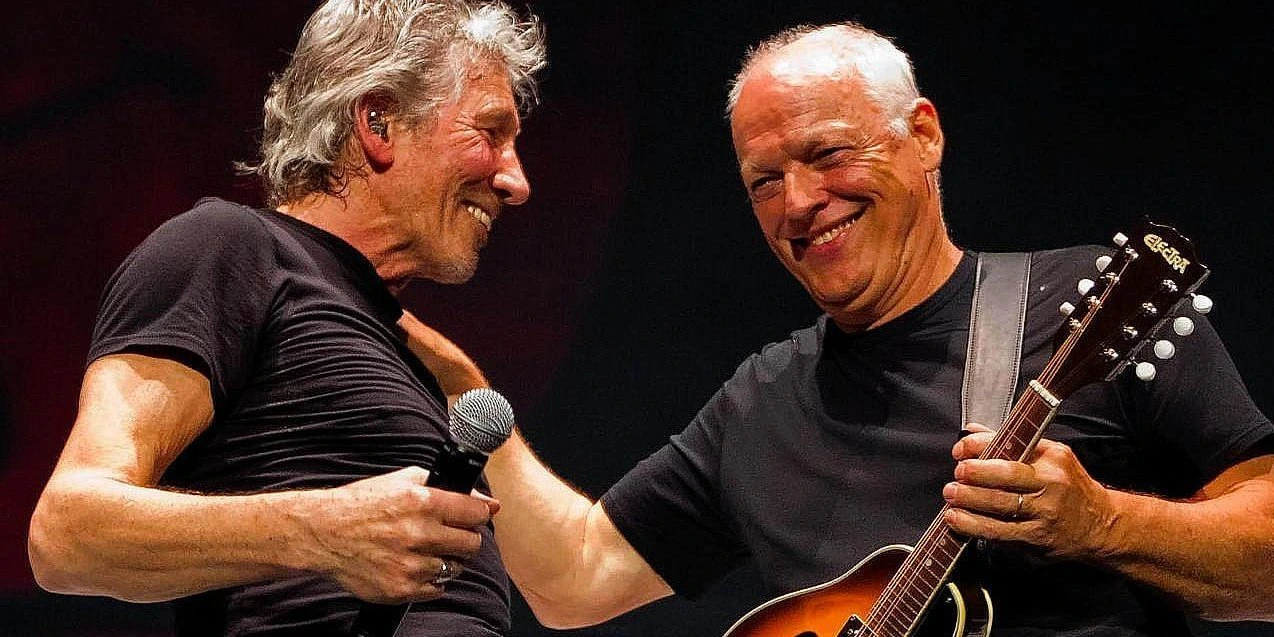
Cool Media Music · Pink Floyd
The night Comfortably Numb made everyone hold their breath
When Roger Waters and David Gilmour shared a stage at the O2 for the first time in years, the silence before the guitar solo said everything. The notes Gilmour played in that moment remain among the most emotionally charged in rock history — proof of what only that particular chemistry could produce. Two architects. One wall. One song that belongs to both of them.
Focused, Authoritative, Mesmerizing — Artist and Bandleader
David Gilmour’s daughter doesn’t sound like someone carrying a legacy — she sounds like herself. On BBC’s Later… with Jools Holland, Romany Gilmour performed “Between Two Points” with an authoritative vocal presence entirely her own. Then she went further: forming the Marshall Gilmour Webbs, selling out London’s Piano Smithfield before adding dates. Cool Media’s feature on an artist building something new.
Read the feature →Roger Waters - David Gilmour - Comfortably Numb - Live O2 Arena - The Wall (2011)


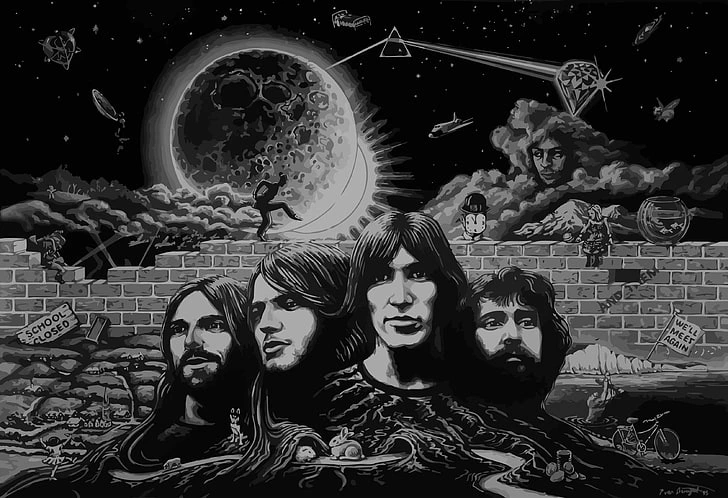
Roger Waters Tells the Tragic Story of Syd Barrett
Taken from JRE #1878 w/Roger Waters:
https://open.spotify.com/episode/4iCW...

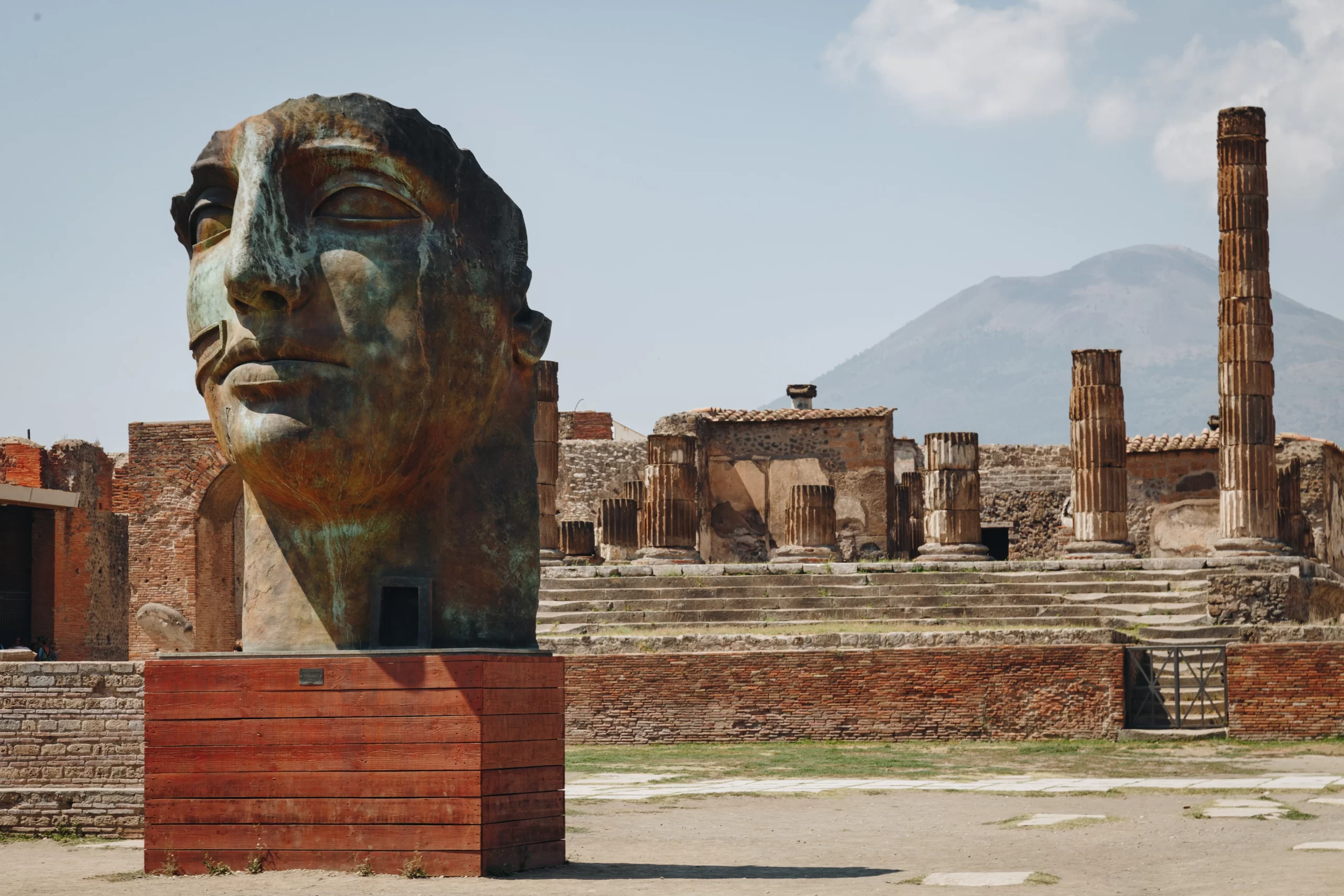
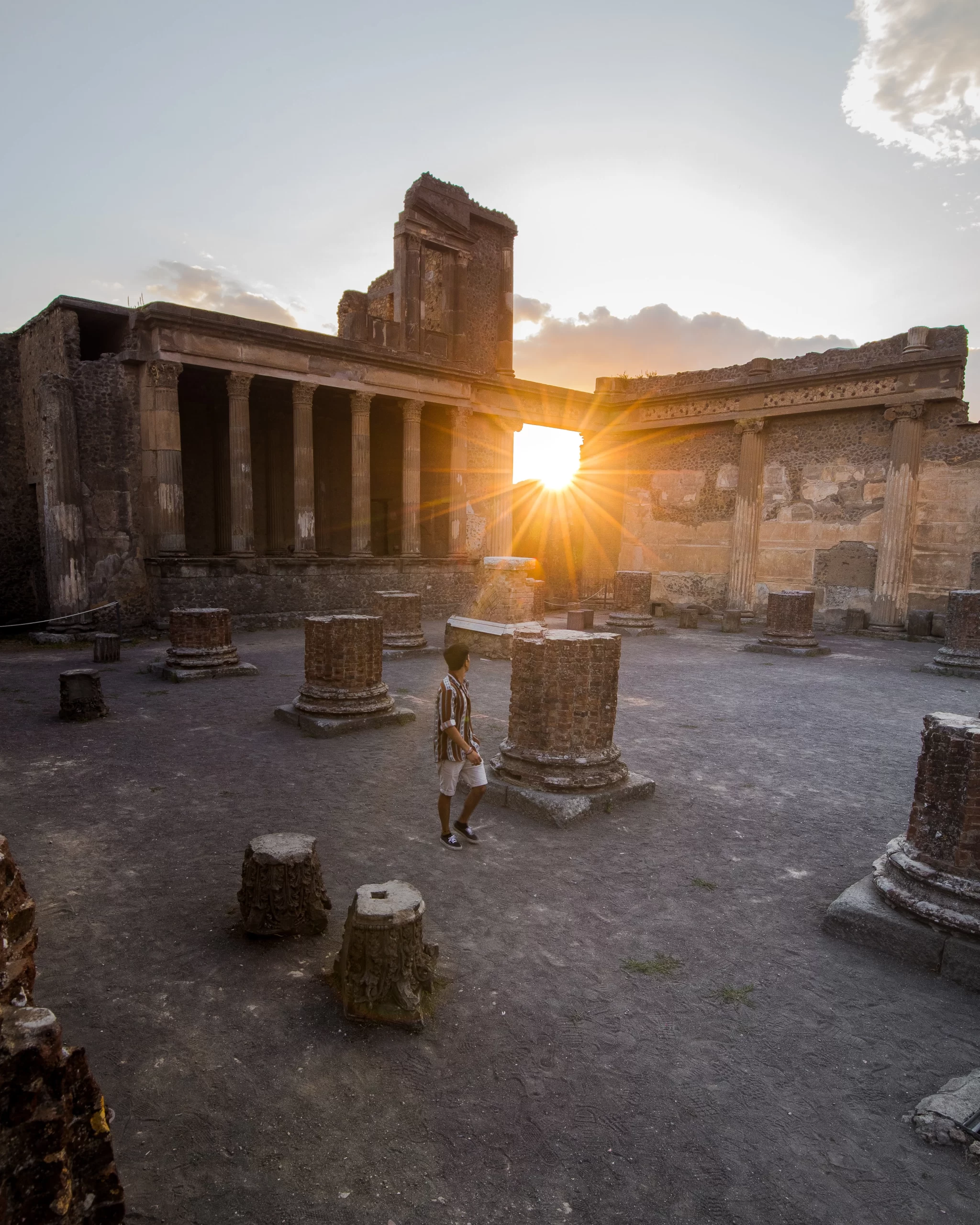
David Gilmour - Shine On You Crazy Diamond (Live At Pompeii)
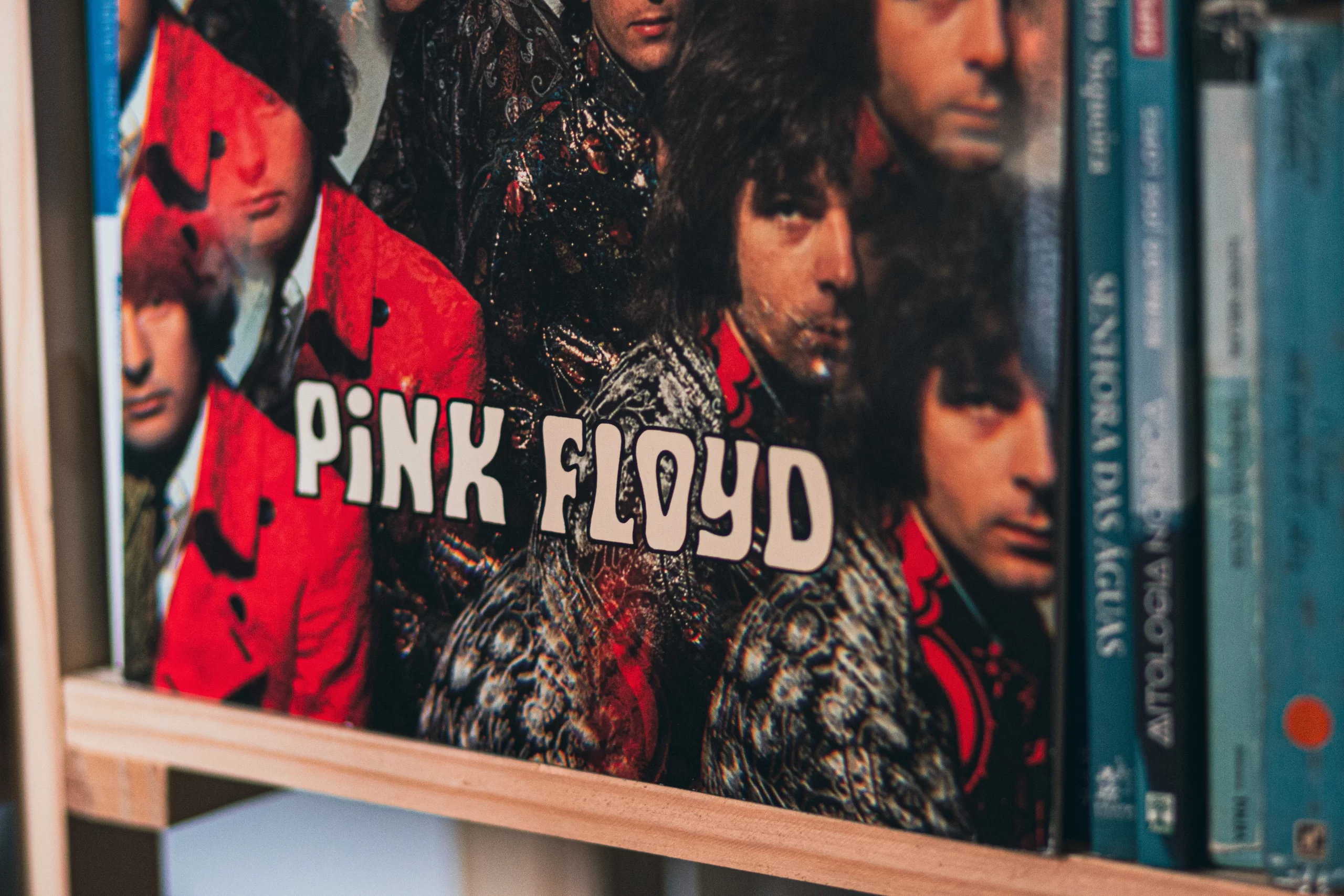
Pink Floyd - The Last Concert (Gilmour, Waters, Mason ,Wright )

Blackmagic Pocket 4k in 2024 - Still a BEAST!
The Blackmagic design pocket cinema 4k camera has been one of my go to cameras for a number of years now.
It's a fantastic digital cinema camera, regardless of how cheap it sells for.
The key features of the Blackmagic Pocket Cinema Camera 4K are a 4/3 image sensor with 4096 x 2160 resolution and an MFT lens mount, allowing you to capture wide dynamic range, Hollywood quality, digital film images in the palm of your hand! It’s an extremely advanced and affordable high end digital film camera.
The Blackmagic Pocket Cinema Camera 4K features a native sensor resolution of 4096 x 2160, while the 6K models have a native resolution of 6144 x 3456. Whether you’re shooting in bright sunlight or in almost no light at all, the 13 stops of dynamic range with dual native ISO up to 25,600 provide stunning low noise images in all lighting conditions.
Multiple Resolutions and Frame Rates. The Blackmagic Pocket Cinema Camera can shoot in all standard resolutions and frame rates from HD up to DCI 4K. You can shoot stills at 8.8 megapixels on the 4K model.
For higher frame rates on the 4K model you can shoot up to 60 fps 4K DCI at 4096 x 2160 and 60 fps in Ultra HD at 3840 x 2160. You can even shoot 120 fps in 1080HD.
Couple with the right accessories this a digital cinema still out performs many other cameras on the market.
So is it still worth buying?
Absolutely.
A budding filmmaker like you needs the Blackmagic Pocket 4k VS Hollywood Movie Camera | Red Dragon
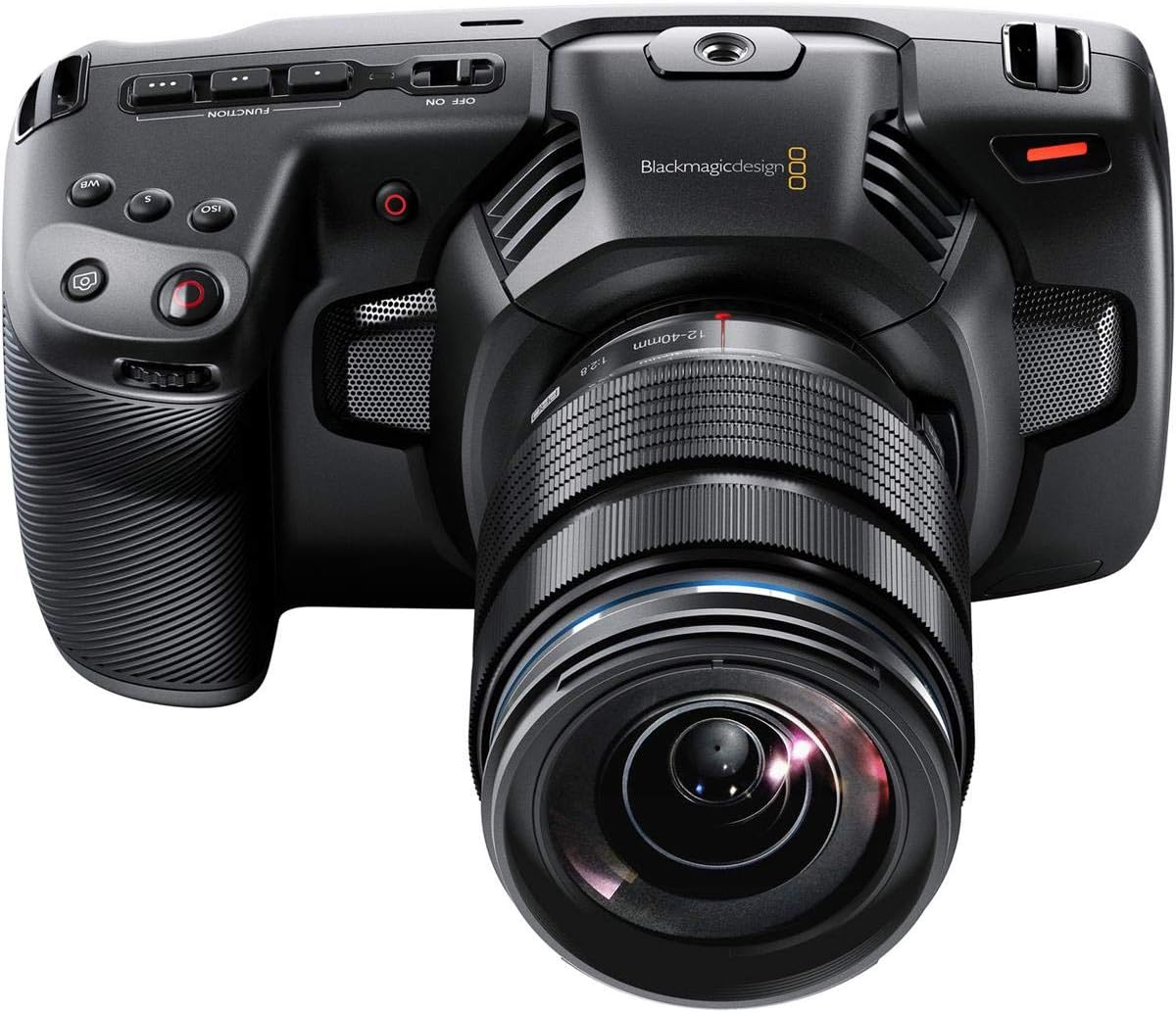
BMPCC 4K Review - I spent one year with the Blackmagic Pocket Cinema 4K, am I still in love?
BMPCC 4K Review - I spent one year with the Blackmagic Pocket Cinema 4K, am I still in love? Another BMPCC 4K Review?! I didn't just buy the Pocket 4K and use it for a week. I used the BMPCC 4K for a full year before producing this in-depth camera review on the Blackmagic Pocket Cinema 4K to provide my fellow filmmakers with the knowledge they need before you purchase the Pocket 4K. Find out why in 2020, I think the BMPCC 4K is the best value cinema camera for filmmakers like you. Learn how I put this entry-level cinema camera to the test when it comes to filmmaking and videography work in the field. In this 1-year review, I also show you some BMPCC4K Footage that I've shot, as well as show you some low-light footage from the BMPCC 4K.

