

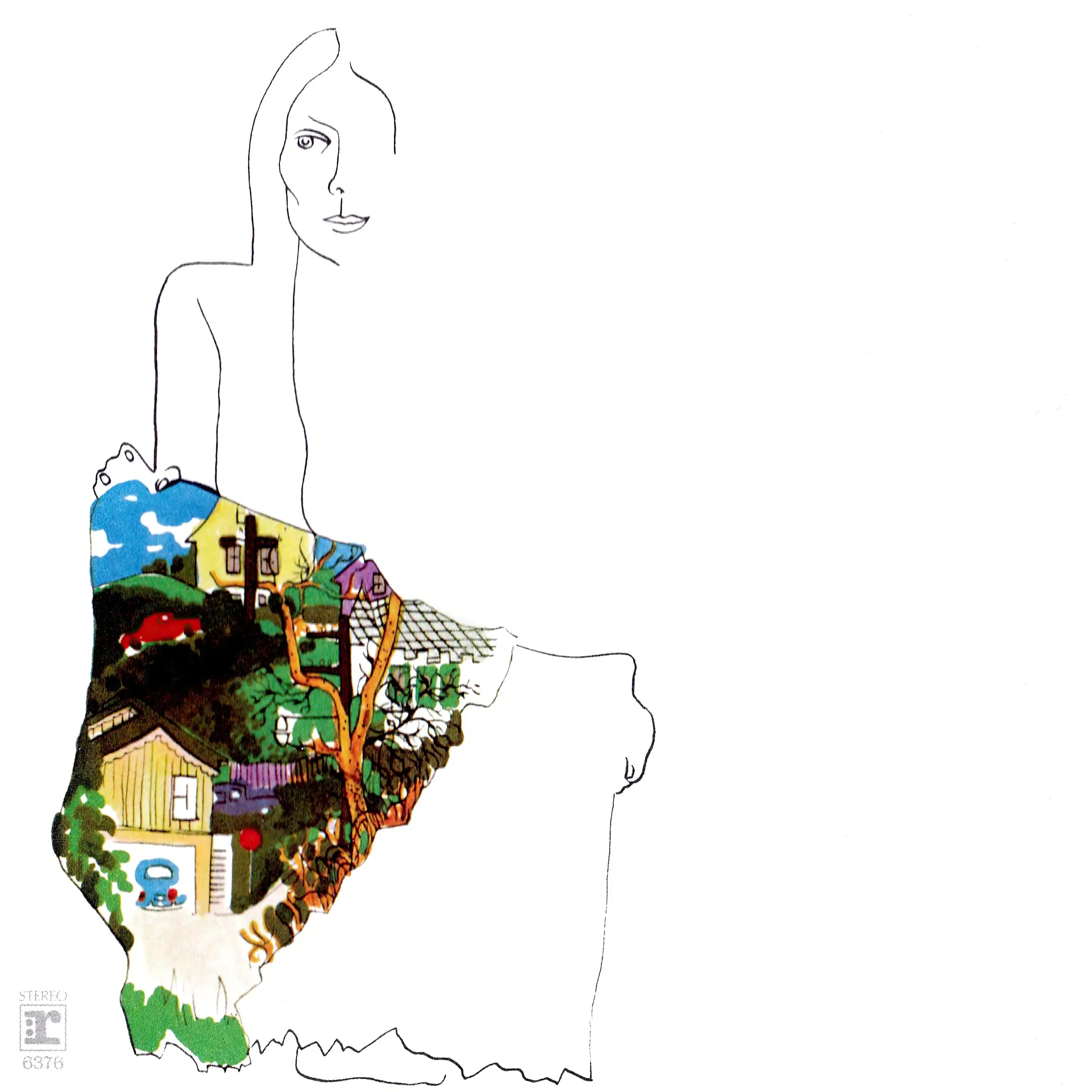
The Nuances of Rainy Night House
I was twenty-two when I first heard "Rainy Night House" in 1985. My girlfriend and I had spent the weekend dipping toast into her mother's Ukrainian vegetable broth - onion and potato soup - going to arthouse movies, and playing records. When this song came on, everything else stopped. Mitchell's voice over that simple piano – it felt like she was singing about us. Two people trying to figure each other out, watching each other sleep, asking, 'Who is this person I'm falling for?' The song opens "Ladies of the Canyon" with just Mitchell and her piano. She tells this story about a rainy night, a taxi ride, lying in someone's bed while they watch you dream. Specific details, but somehow it became our story too. I haven't seen that girlfriend in decades, but "Rainy Night House" still takes me back to that apartment, that weekend, when I discovered young adult relationships with elements of respect and love between two people newly discovering each other.
Rainy Night House · Joni Mitchell Ladies of the Canyon ℗ 1970 Warner Records Inc. Cello Arranger: Don Bagley Engineer: Henry Lewy Baritone Saxophone: Jim Horn Arranger, Producer: Joni Mitchell Guitar, Piano, Vocals: Joni Mitchell Percussion: Milt Holland Clarinet, Flute: Paul Horn Cello: Teresa Adams Chorus: The Sasaktunes Writer: Joni Mitchell


The Choral Climax: The song's most striking moment arrives in its final section, where Mitchell layers her voice into what musicologists describe as "densely layered vocalisations...harmonised in sevenths." This choral arrangement transforms the intimate solo narrative into something transcendent. Working within Mixolydian and other modal frameworks, Mitchell creates a climactic vocal tapestry that feels both ancient and modern—like a secular hymn or spiritual meditation.
The Sasaktunes chorus, credited on the recording, supports these layered harmonies, but it's Mitchell's multi-tracked vocals that carry the emotional weight. The effect is haunting: as if multiple versions of the narrator are reflecting on the same memory from different temporal distances. The harmonic sevenths add a sophisticated jazz-influenced color that elevates the folk foundation, creating that signature "Ladies of the Canyon" sound that influenced countless singer-songwriters who followed.
This vocal arrangement technique would become a Mitchell trademark, but here in "Rainy Night House," it serves the song's central theme perfectly—multiple perspectives on the exact intimate moment, voices watching voices, harmonies exploring the mystery of human connection that the lyrics so eloquently question.
Extended Musical Analysis
Guitar Tuning and Technique: Mitchell's use of DADFAD tuning (also known as "Double Drop D" with the A string tuned down to D) creates the song's characteristic open, resonant quality. This alternate tuning allows for rich harmonic possibilities and enables the use of natural harmonics that give the guitar parts their ethereal, bell-like tones. The tuning supports the song's introspective mood by providing a more spacious, contemplative sonic palette than standard tuning would allow.
Harmonic Structure: The combination of this alternate tuning with Mitchell's sophisticated harmonic approach—particularly those "densely layered vocalisations...harmonised in sevenths"—creates a sound that's both grounded and otherworldly. The guitar's open tuning provides a stable foundation while the vocal harmonies add complexity and emotional depth.
Narrative Impact: This technical approach serves the song's storytelling perfectly. The haunting quality you mention comes partly from how the musical elements mirror the lyrical themes of watching, waiting, and wondering. The harmonics and open tuning create space for reflection, while the vocal layering suggests multiple perspectives on the same intimate moment.
This musical sophistication helps explain why "Rainy Night House" has endured as one of Mitchell's most beloved compositions—the technical craft serves the emotional content seamlessly.
Continue the Musical Journey
Explore more intimate musical connections and timeless artistry
Dive deeper into Mitchell's cosmic consciousness and her ability to channel universal truths through deeply personal songwriting.
Discover the musical DNA that connects generations of poets, from Cohen's wisdom to Buckley's ethereal interpretations.
Experience how modern artists continue the tradition of intimate, atmospheric storytelling that began with songs like "Rainy Night House."