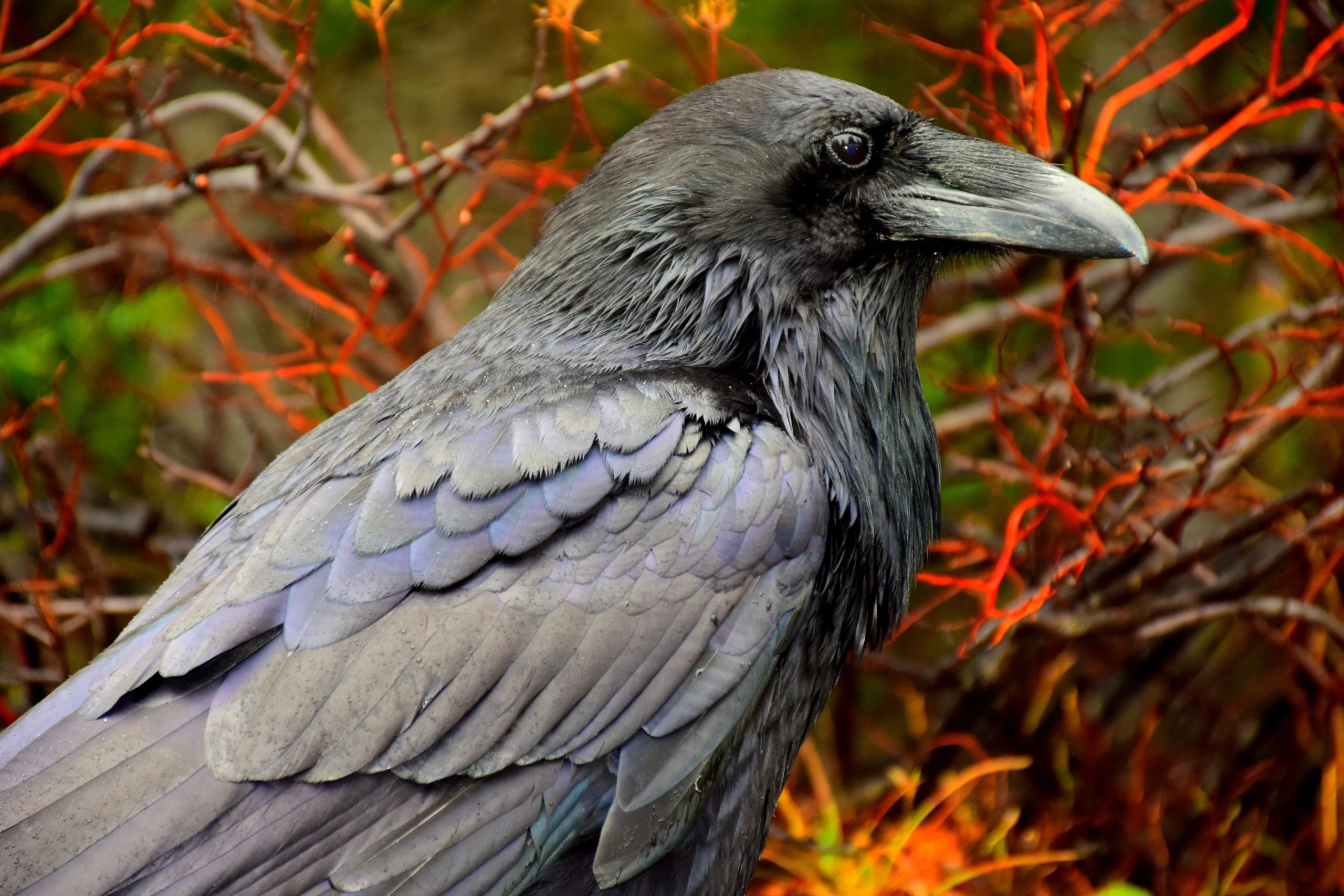

Now the differences between ravens and crows come into sharper focus—not just in biology, but in story, patience, and place. Barry Lopez’s essay The Raven, from Desert Notes, meditates on what separates the wanderer from the one who stays. There are no crows in the desert, he writes—only ravens with breath held in shadow, wings glinting with dew. Through Lopez’s lens, the raven becomes a guide to the quiet knowledge of the land, while the crow stands as a necessary contrast, the absent twin.
Desert Notes and River Notes was my introduction to Barry Holstun Lopez. The Raven, an essay from Desert Notes, has received academic and critical notice for its subtle prose. Broadly speaking it is an exploration of the contrast and comparison between Ravens and Crows. I have included a PDF (click below) of the Raven essay. The Raven essay begins, " I am going to start at the other end by telling you: there are no crows in the desert. What appears to be crows are ravens. You must examine the crow, to understand the raven. To forget the crow completely, as some have tried to do, would be like trying to understand the one who stayed, without talking to the one who left. It is important to make note of the one who left the desert."
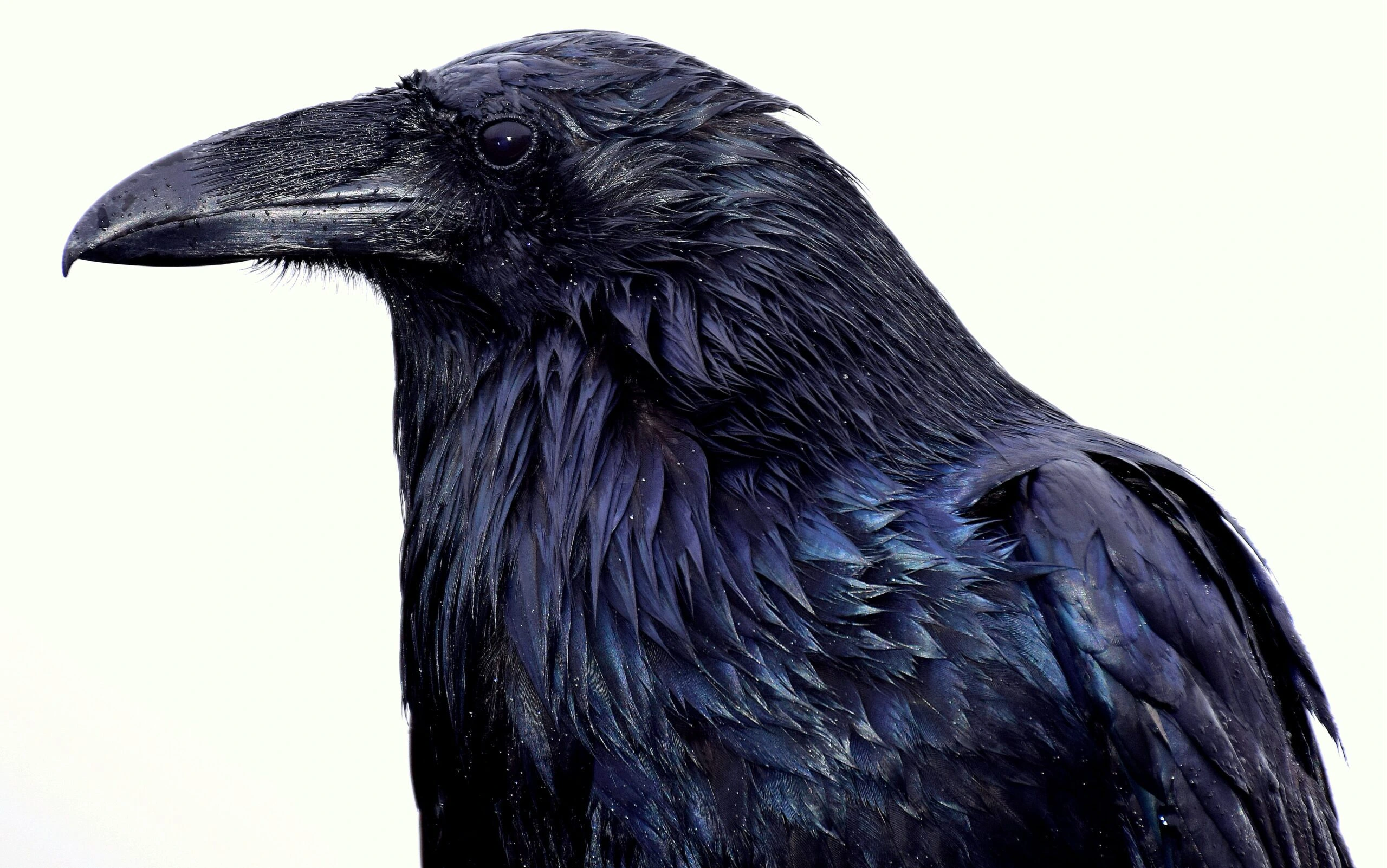
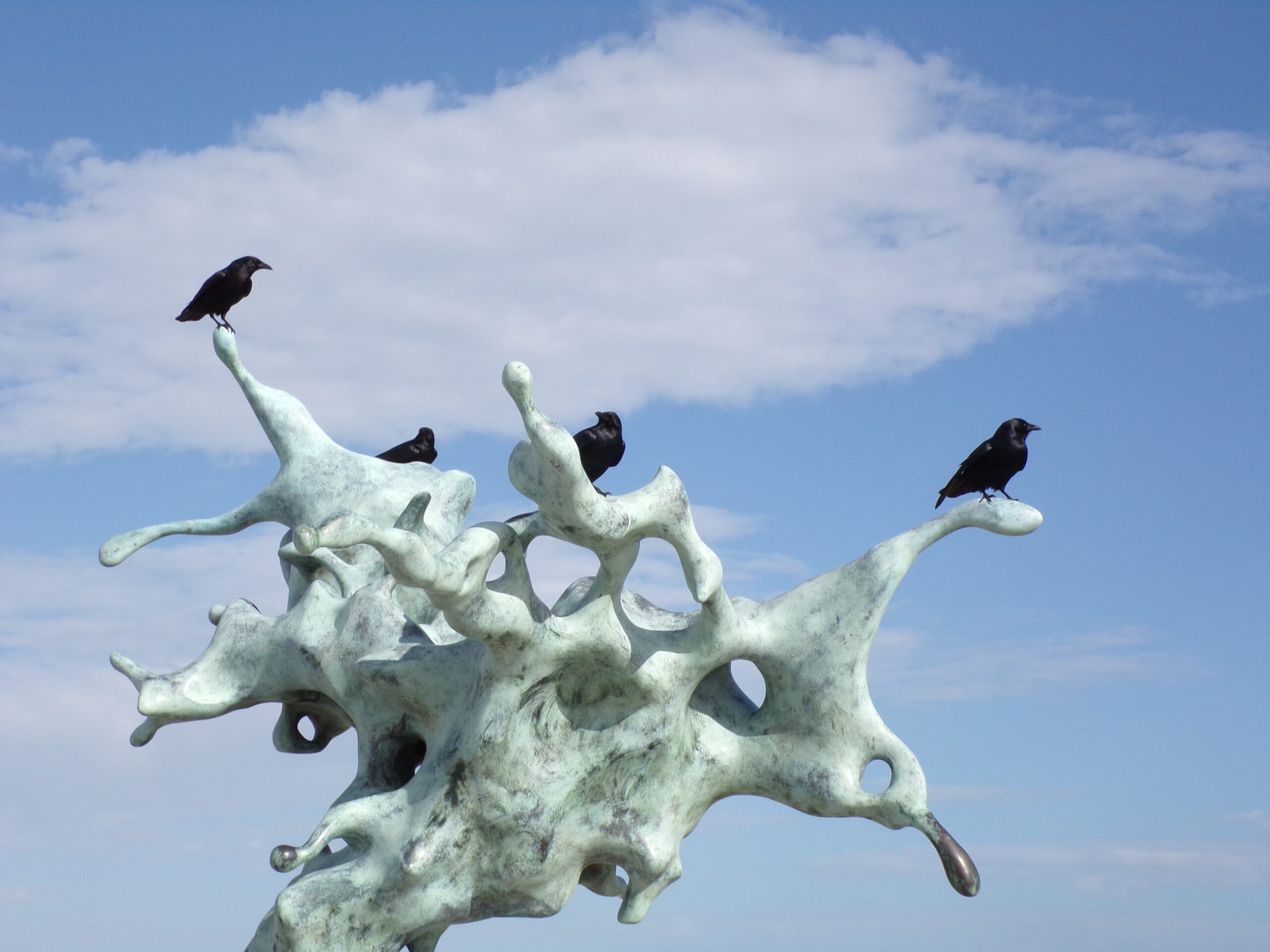
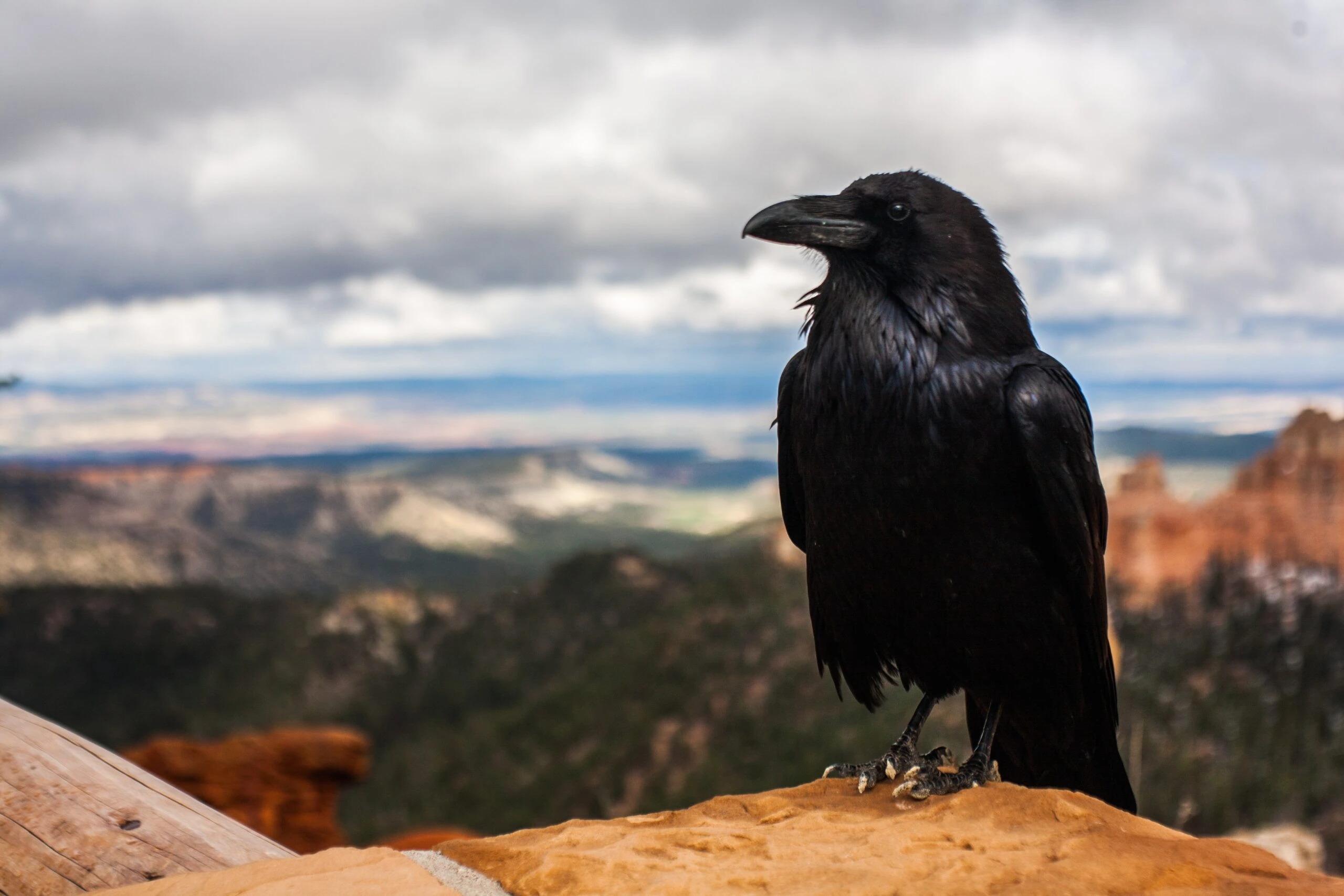
Finally, there is this: one morning four ravens sat at the edge of the desert waiting for the sun to rise. They had been there all night and the dew was like beads of quicksilver on their wings. Their eyes were closed and they were as still as the cracks in the desert floor.
The wind came off the snow-capped peaks to the north and ruffled their breath feathers. Their talons arched in the white earth and they smoothed their wings with sleep, dark bills. At first light, their bodies swelled and their eyes flashed purple. When the dew dried on their wings they lifted off from the desert floor and flew away in four directions. Crows would never have had the patience for this.
Meet Barry Lopez
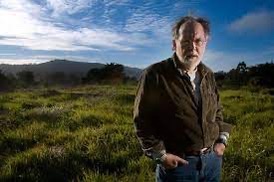
"I think as a child, I was extremely enthusiastic about the world around me," recalls Barry Lopez.
Lopez is the author of thirteen books of essays, short stories, and nonfiction, including Arctic Dreams and Of Wolves and Men. He is a recipient of the National Book Award, the Award in Literature from the American Academy of Arts and Letters, a Guggenheim Fellowship, and numerous other literary and cultural honors.
Join the author as he explores the majestic landscape of his home in western Oregon and discusses storytelling in this video interview.
?️
About Barry Holstun Lopez
Barry Holstun Lopez (January 6, 1945 – December 25, 2020) was a revered American author, essayist, and nature writer whose works bridged landscapes and the human spirit. Known for his deep environmental and humanitarian concerns, Lopez explored distant regions—from the Arctic wilderness to desert silence—examining how cultures shape, and are shaped by, the natural world. His landmark book Arctic Dreams (1986) earned the National Book Award for Nonfiction, while Of Wolves and Men (1978) was a finalist.
Born in Port Chester, New York, Lopez moved west in childhood and was later adopted by Adrian Lopez, whose name he carried into literary history. He graduated from Loyola School in Manhattan and studied at the University of Notre Dame, earning undergraduate and graduate degrees in 1966 and 1968. Lopez also attended NYU and the University of Oregon.
In a career spanning over 50 years and 80 countries, his writing appeared in Harper’s Magazine, National Geographic, The Paris Review, and many others—always illuminating the quiet connections between nature, place, and meaning.
What Is the Difference Between a Raven and a Crow
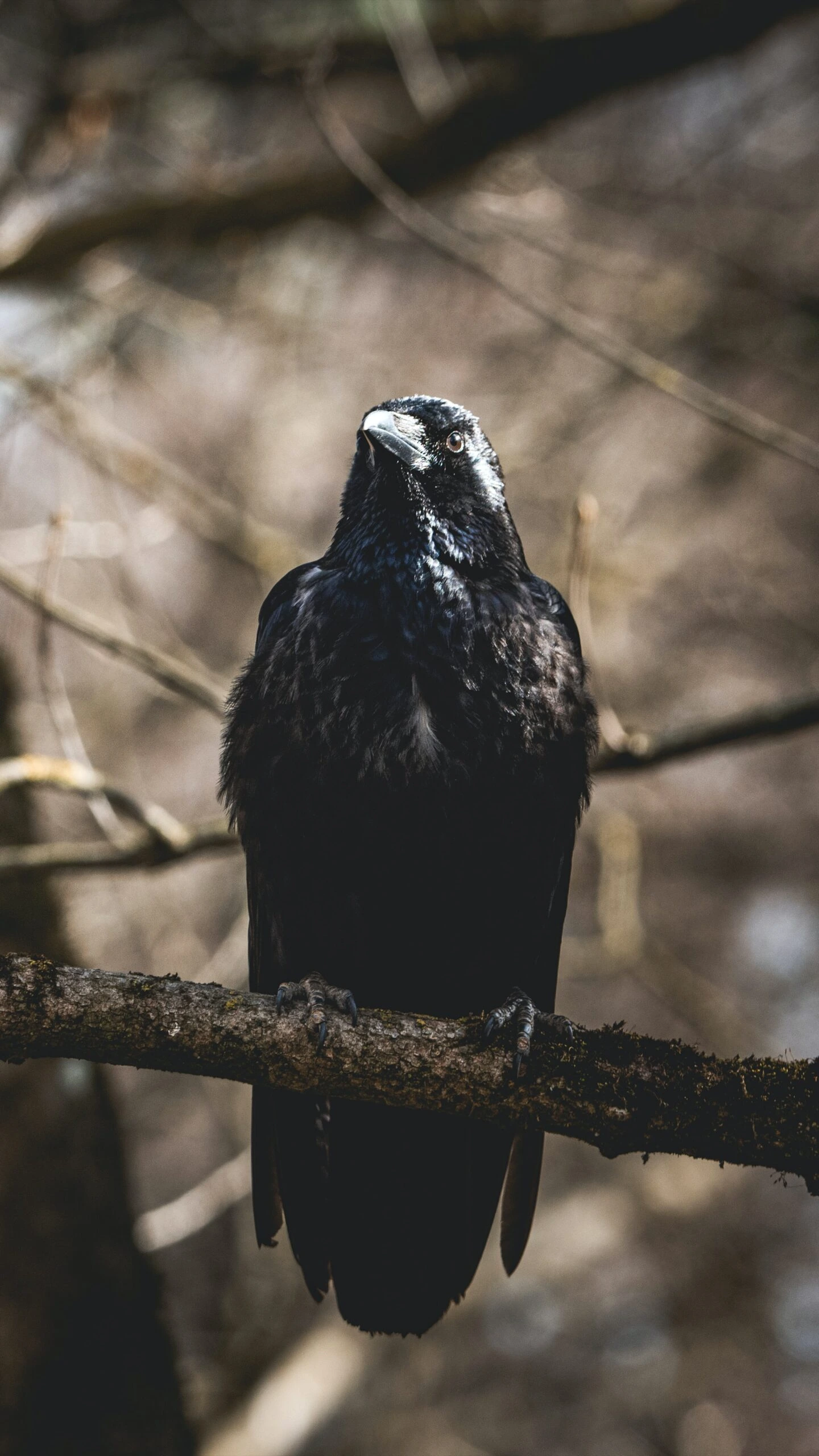
In this video, we show " What is the difference between a raven and a crow ?" Know that in the western US we have Common Ravens and American Crows, so that's what this clip is comparing.
After viewing this video, test your Raven knowledge or learn more about ravens and crows by taking our "Raven Crow Training Test." Twelve action clips of real birds with original sound just as you would find them in the wild plus three bonus clips challenge all corvid lovers to try to identify the Common Raven from the American Crow.
Examples from all over the western United States include; The Grand Canyon - Arizona, Santa Fe, and New Mexico, Olympic Peninsula - Washington, Bryce - Utah, Crystal Cove State Park - California, and more.
And remember the test is just for fun and actually serves no other purpose...
Music is "Soaring" a piece written by my nephew Justin Enayat specifically for my raven videos, and I love it for I think it captures many of the emotions one would feel will flying and diving the way ravens do!
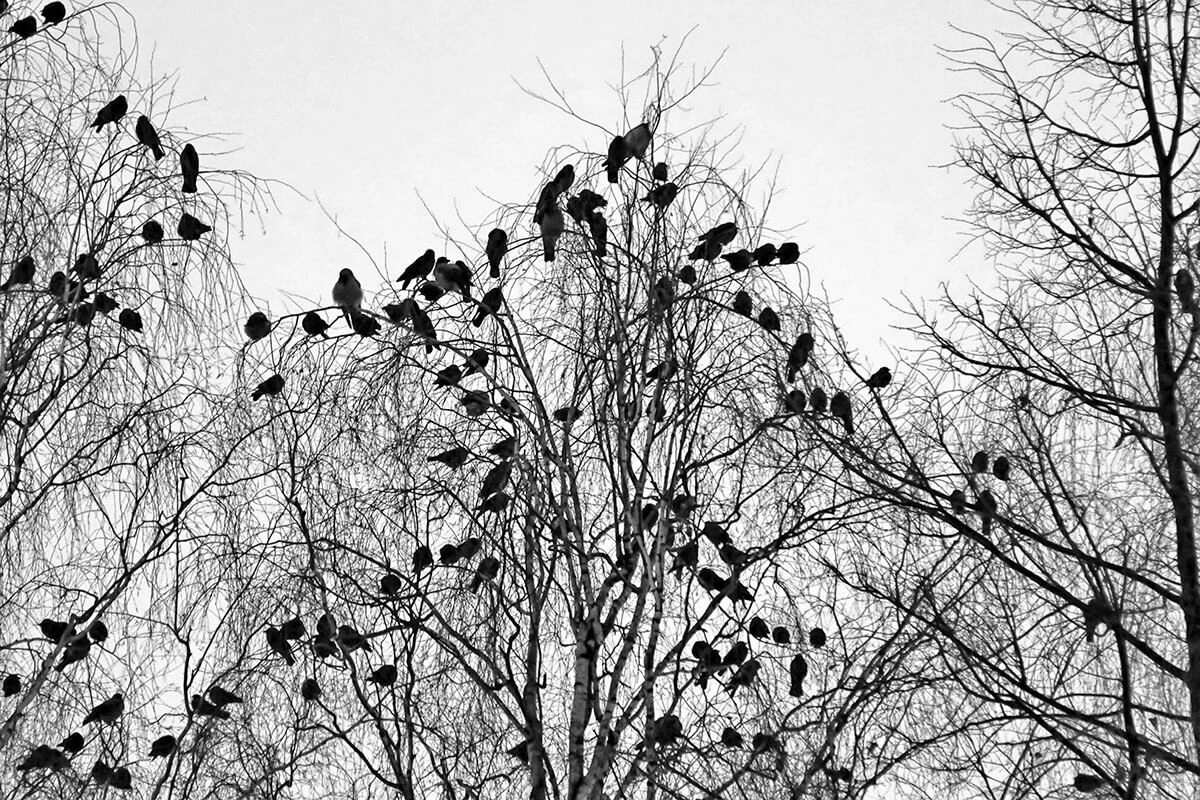
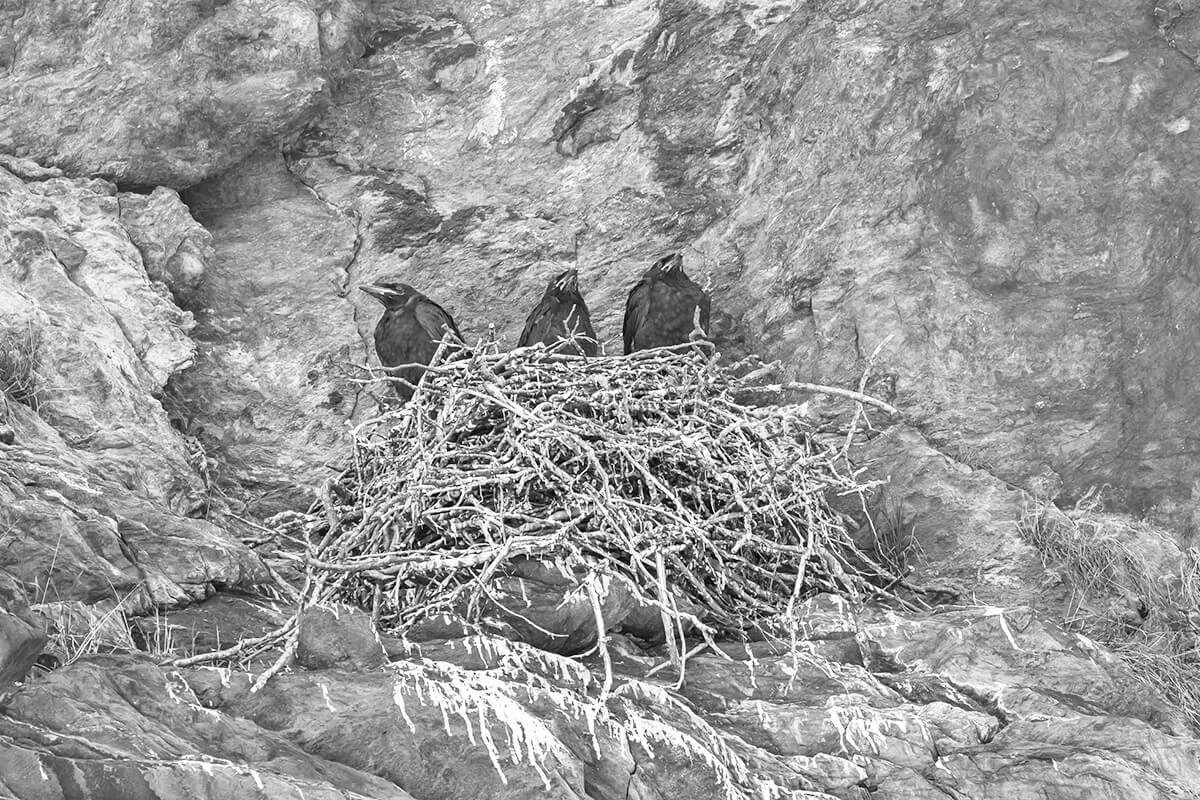
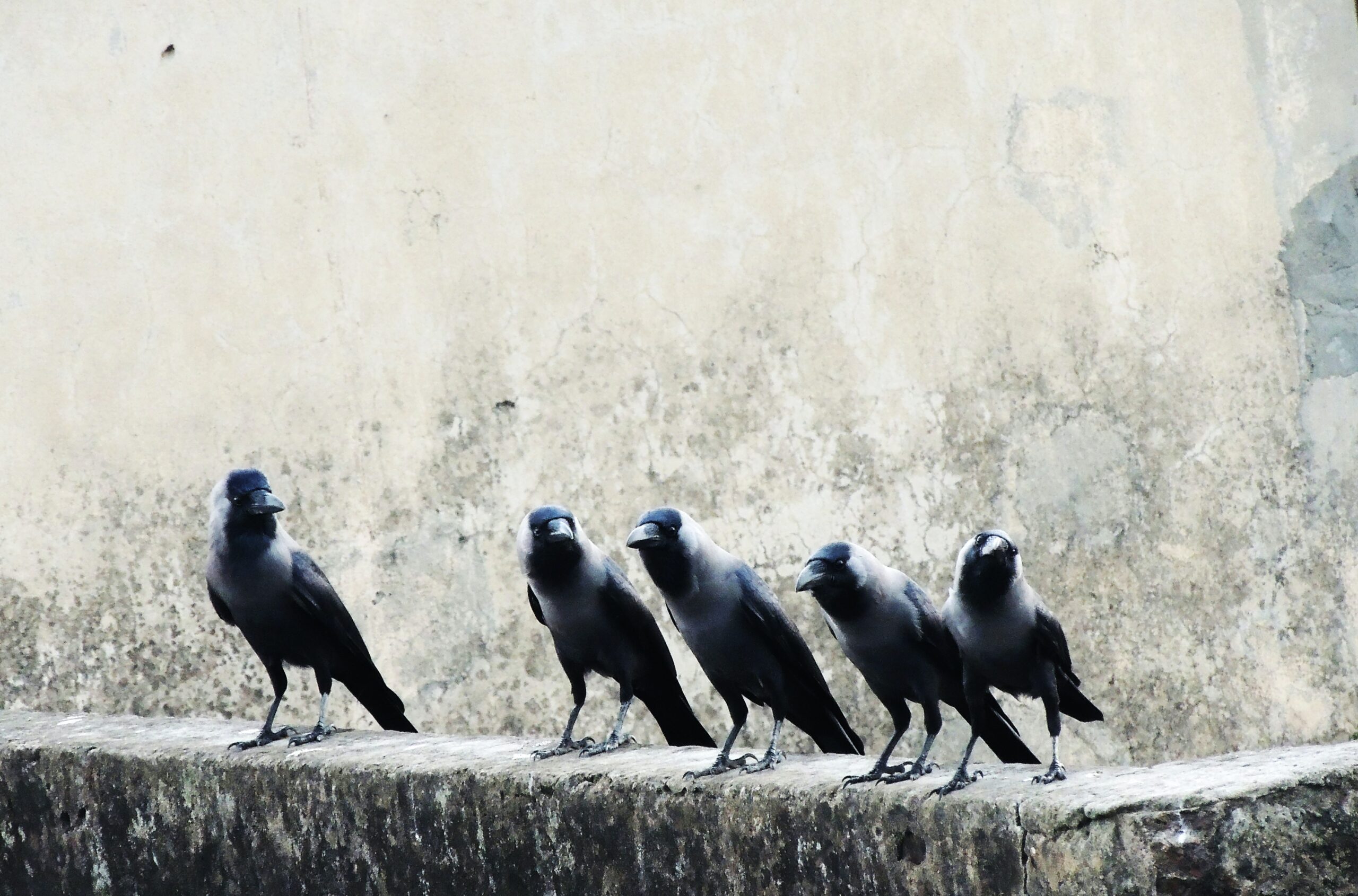
American and Northwestern crows are known for close family bonds. Pairs of birds mate for life, and older crow offspring will pitch in to raise the younger ones. During the egg incubation period, the mama crow has food delivered a few times an hour by her mate and other family helpers. Cornell researcher Kevin McGowan has witnessed crow families of up to 15 birds simultaneously.
It gets sweeter: At hatching time, other crows visit just out of curiosity about the new baby. Researcher Lawrence Kilham observed mother crows greeting these visitors by moving slightly to the side to give them a peek. In crow families, adults can stick around their parents’ territory for a while, sometimes several years. Even once they move out, they may come back occasionally, sometimes to help with nest-building.
While mating and hatching seasons are big deals in crow family life, the learning-to-fly season is also up there. Many young birds of other species don’t see their parents again after getting pushed out of the nest for the first time. Still, crows keep a close eye on their juveniles while running around on the ground — and occasionally, an unsuspecting human will get a little too close and dive-bombed. {1)
Barry Lopez—A Way Out of Our Predicament
Author Barry Lopez offers insights into the ways indigenous knowledge can help lead us out of our environmental — and spiritual — crisis.
Barry Lopez: The Search for Meaning in A Broken World
This video documents our May 7 event, co-presented with Point Reyes Books, with Barry Lopez in conversation with Melissa Nelson. Barry is an essayist, author, and short-story writer, and has traveled extensively in remote and populated parts of the world.
Barry Lopez
Barry Lopez is an essayist, author, and short-story writer, and has traveled extensively in remote and populated parts of the world. He is the author of Arctic Dreams, for which he received the National Book Award; Of Wolves and Men, a National Book Award finalist; and eight works of fiction, including Light Action in the Caribbean, Field Notes, and Resistance. He contributes regularly to Harper's, Granta, The Georgia Review, Orion, Outside, and The Paris Review. In his nonfiction, Barry often writes about the relationship between the physical landscape and human culture.
Geography of Hope
In 2019, Geography of Hope is expanding from a one-weekend event to a year-long series of gatherings, pilgrimages, film screenings, conversations and art exhibits that explore the theme of “The Sacred in the Land.”

Music and Nature: Barry Lopez and Steve Schick -- Helen Edison Lecture Series
National Book Award-Winning author and environmentalist Barry Lopez joins UC San Diego’s Steve Schick, a world-renowned percussionist, to explore the intersection of music, words, and the natural world. Series: "Helen Edison Lecture Series" [3/2016] [Humanities]