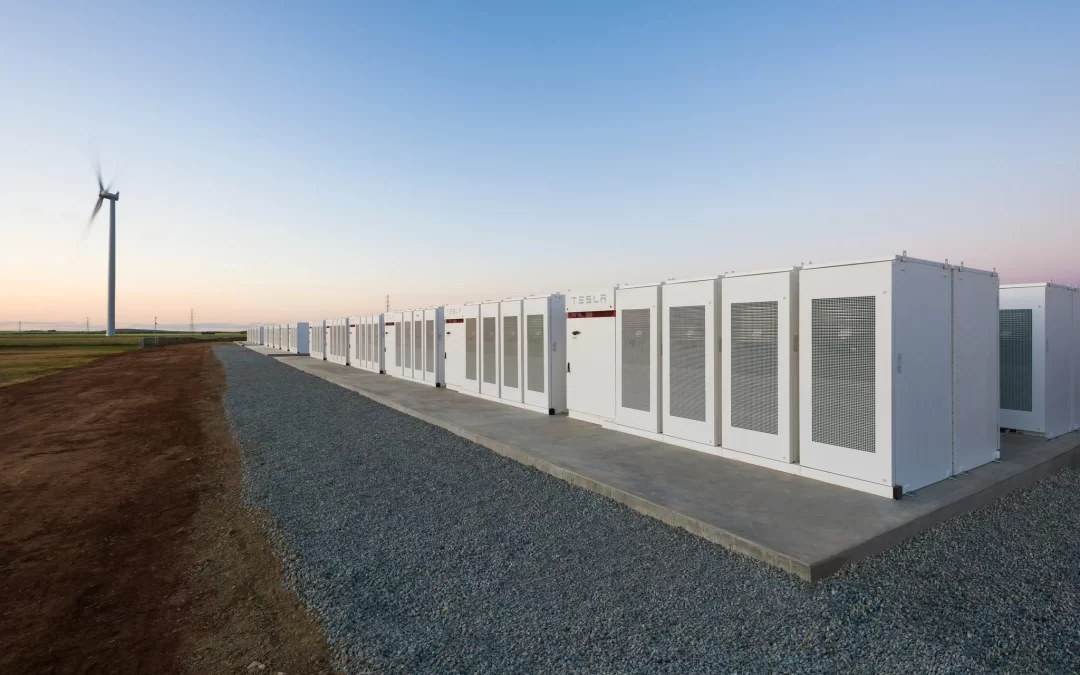
Who hasn’t been shocked by a recent electricity or gas bill? And who isn’t infuriated that power prices have risen so sharply? In a country as abundant with resources as ours it defies logic that there are now some Australians who can’t even pay for the electricity or gas to cook a simple meal. While federal – and state – politicians scramble to act, Elon Musk, the American billionaire with the brilliant mind, says he wants to help. In an exclusive interview with Liz Hayes, Musk says Australia’s energy emergency is easily fixable, and his construction of the world’s largest lithium ion battery at Jamestown in South Australia is proof.
Elon Musk gets emotional over Australia’s energy emergency (Part One) | 60 Minutes Australia
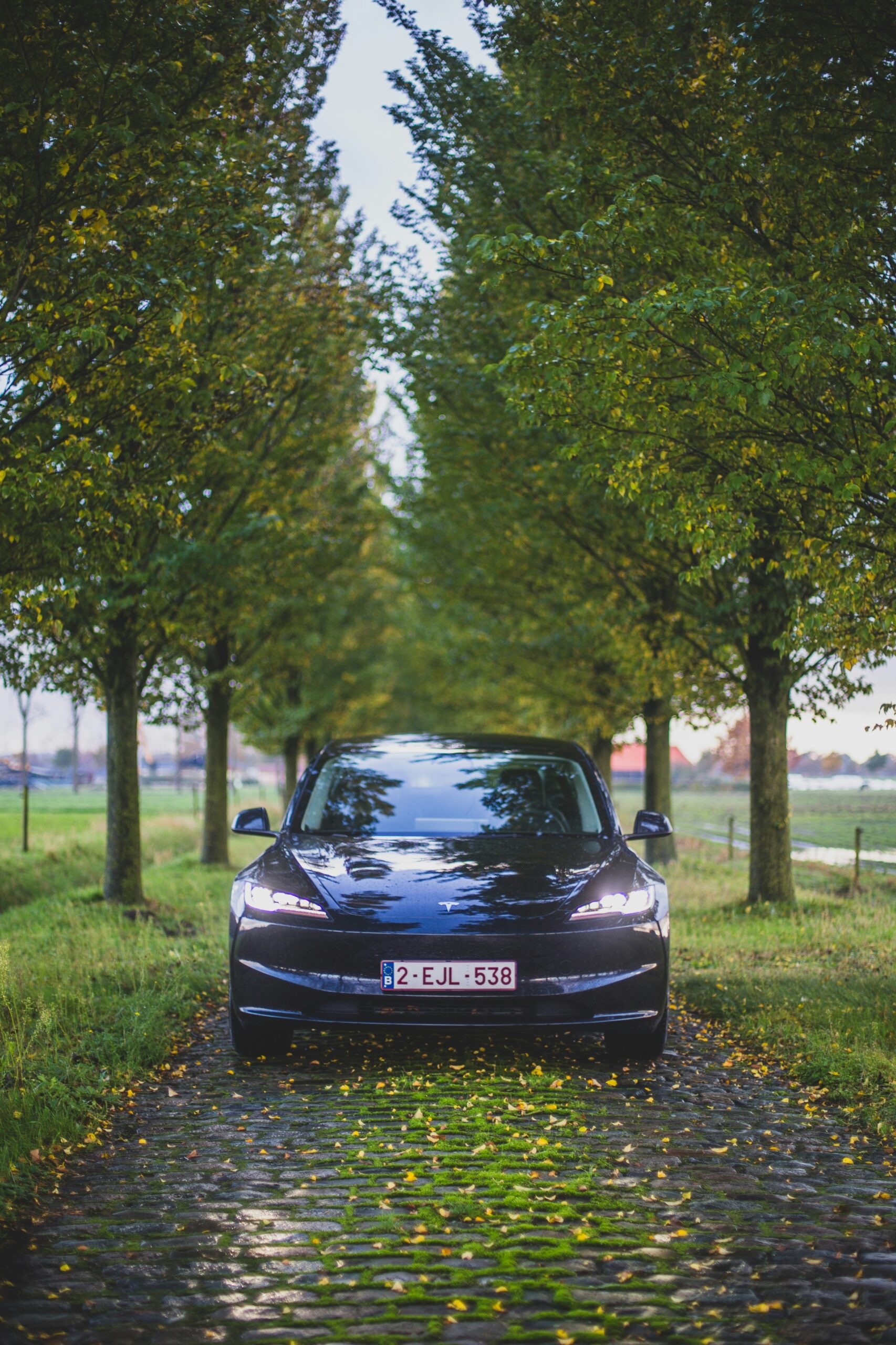
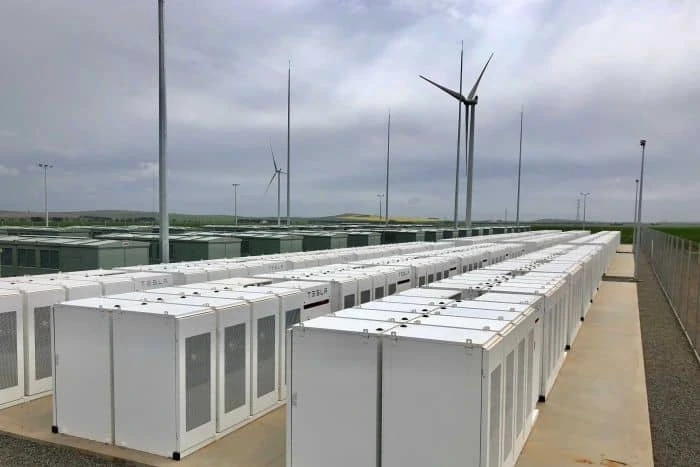
Alternative energy sources are in our best survival self-interest. Finite energy sources no longer (see the last 40 years) make economic, climate sense. Financing a new coal power plant is so much more expensive and environmentally unsound than wind, solar power plant coupled with a storage solution (see lithium-Ion battery). Tesla has a big battery solution (watch the South Australian video below for evidence). Wind and Solar on their own are great when the wind and sun are cooperating. That's where a storage solution comes in to capture the kilowatt energy when the sun and wind are prime so that distribution may occur when energy costs/use are at their highest (see dinner time and summer heat). Notice that the solutions come from entrepreneurs like Elon Musk. Don't you think we need leaders like Andrew Yang to solve our climate crisis with real-world energy solutions? Guess who recently endorsed Andrew Yang? Yes, Elon Musk.
Eight Years Later: Tesla's Hornsdale Battery Still Leading Grid Innovation
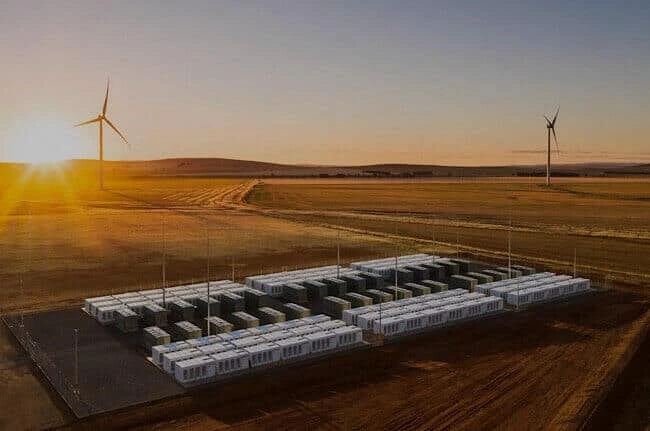
The Tesla Hornsdale Power Reserve, which began operations in late 2017, continues to demonstrate exceptional performance in frequency stabilization and peak demand management as it approaches nearly 8 years of service. Here's how the world's first large-scale grid battery is performing today:
Frequency Control Performance
The battery responds to grid frequency variations in approximately 100 milliseconds, vastly outperforming traditional fossil-fuel generators, which require about 6,000 milliseconds, according to Wikipedia. This ultra-fast response capability has been crucial during grid emergencies. In its first year alone, the battery accounted for 55% of frequency control and ancillary services across South Australia.
Grid Stabilization Capabilities
Since a major 2022 upgrade, the facility now provides approximately 2,000 megawatt-seconds of grid inertia, representing roughly 15% of South Australia's total grid requirement, according to Wikipedia. This "Virtual Machine Mode" technology allows the battery to mimic traditional coal and gas generators in stabilizing the grid—a world-first achievement at this scale. Recent operational reports from 2024 confirm the system has maintained consistent performance with these grid-forming capabilities.
Peak Demand Management
The facility continues to excel during South Australia's challenging peak periods. While typically arbitrage 30 MW or less, the battery can surge to approximately 80 MW during extended periods, particularly valuable during summer heat waves and evening peak usage when demand spikes. The expanded capacity now stands at 150 MW with 194 MWh of storage—substantially larger than the original 100 MW/129 MWh installation.
Economic Impact
By 2019, the battery had reduced grid costs by $116 million AUD through its frequency control operations, achieving 91% reductions in ancillary services markets—from $470/MWh to $40/MWh (Wikipedia). During the 18-day Heywood interconnector failure in January 2020, the battery provided critical grid support while preventing price gouging.
Current Status
As of 2024-2025, the Hornsdale Power Reserve remains Australia's largest battery installation with grid-forming capabilities, though larger-capacity batteries have since been built. The facility continues operating at design specifications, with Virtual Machine Mode services running continuously since their 2022 enablement. Recent grid events in 2024 demonstrated that the system still responds effectively to both frequency deviations and voltage fluctuations.
The Hornsdale project has proven that large-scale lithium-ion battery storage is not just viable but essential for modern renewable-heavy grids, setting the benchmark for dozens of similar installations now operating across Australia.
Elon Musk gets emotional over Australia’s energy emergency (Part Two) | 60 Minutes Australia
Who hasn’t been shocked by a recent electricity or gas bill? And who isn’t infuriated that power prices have risen so sharply? In a country as abundant with resources as ours it defies logic that there are now some Australians who can’t even pay for the electricity or gas to cook a simple meal. While federal – and state – politicians scramble to act, Elon Musk, the American billionaire with the brilliant mind, says he wants to help. In an exclusive interview with Liz Hayes, Musk says Australia’s energy emergency is easily fixable, and his construction of the world’s largest lithium ion battery at Jamestown in South Australia is proof.
Tesla's big Battery saves Australia big bucks in the first year
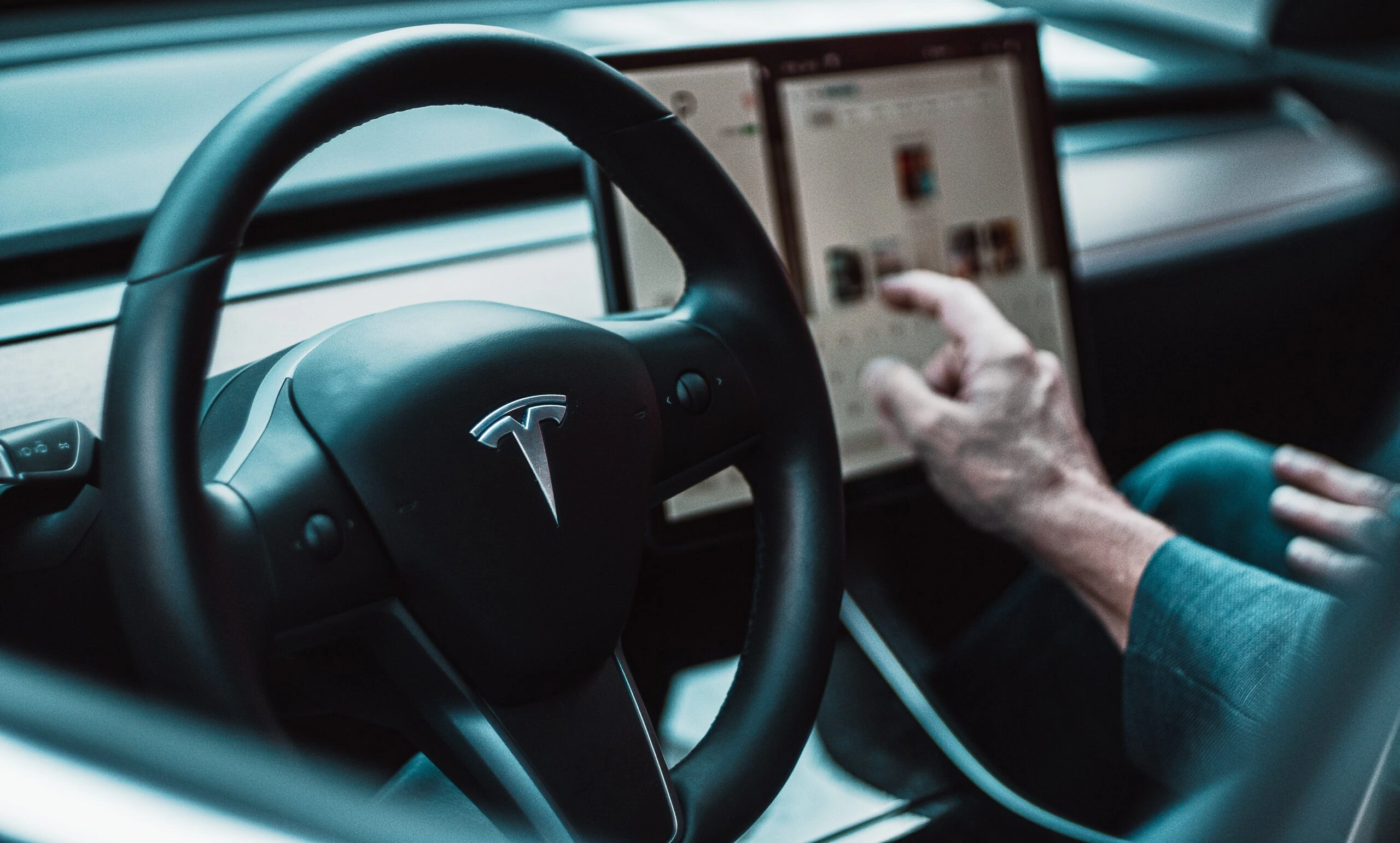
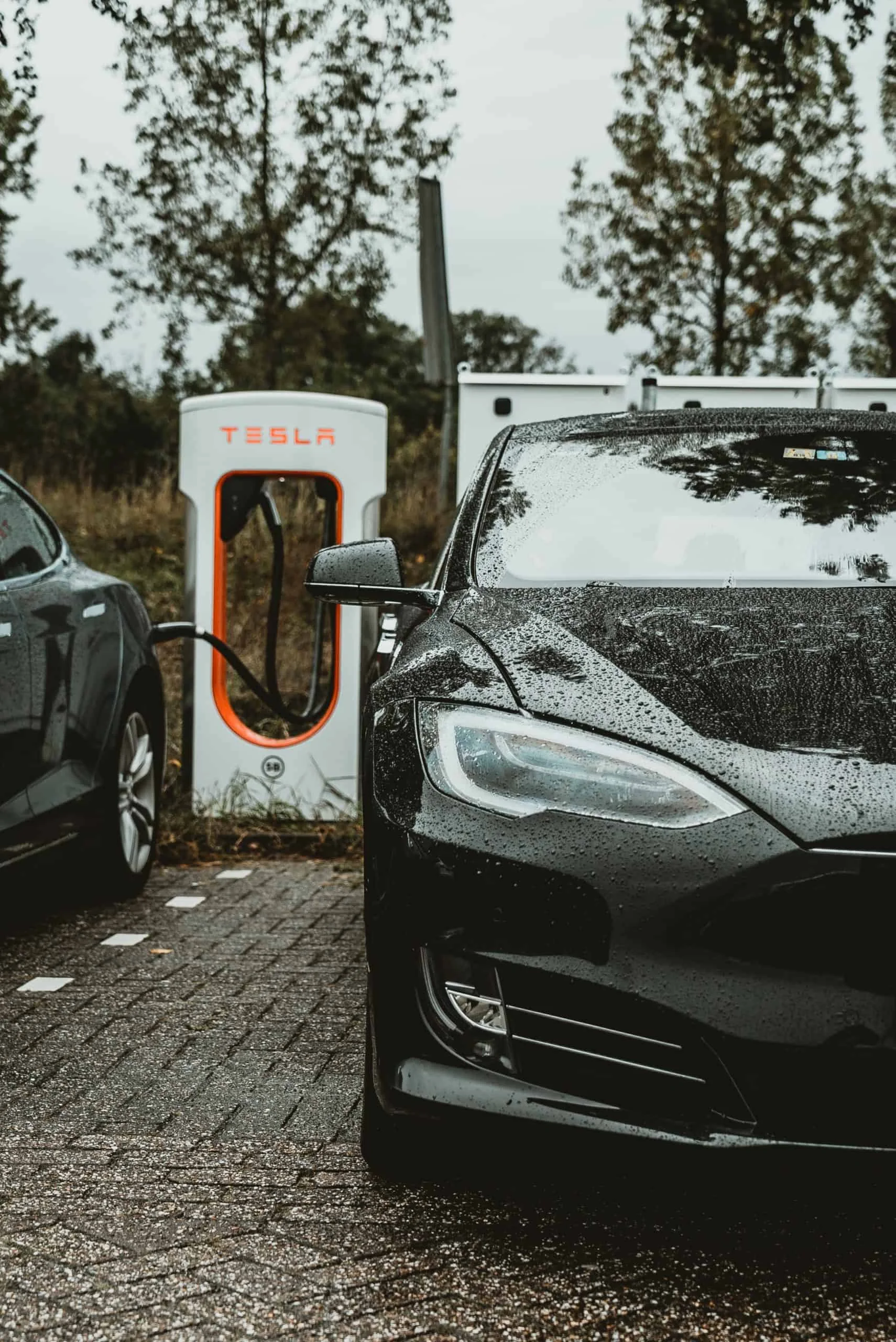
Tesla Auto has been my small Youtube obsession for the last 6 months. Must concede, I am massively impressed with the Model 3 performance EV, for energy saving, styling, and technical reasons. My next car must be a Model 3 performance, black with a white Vegan pleather interior. Right now the distance between charges is around 305 miles within speed limit driving (et al). This works for me, with the growing number of Tesla supercharger stations throughout the nation. (see wishful thinking). We must dream, right?
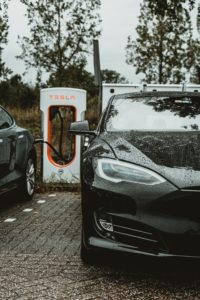 Tesla Auto at Charging stations by andreas-dress-Unsplash
Tesla Model 3's motor - The Brilliant Engineering behind it