
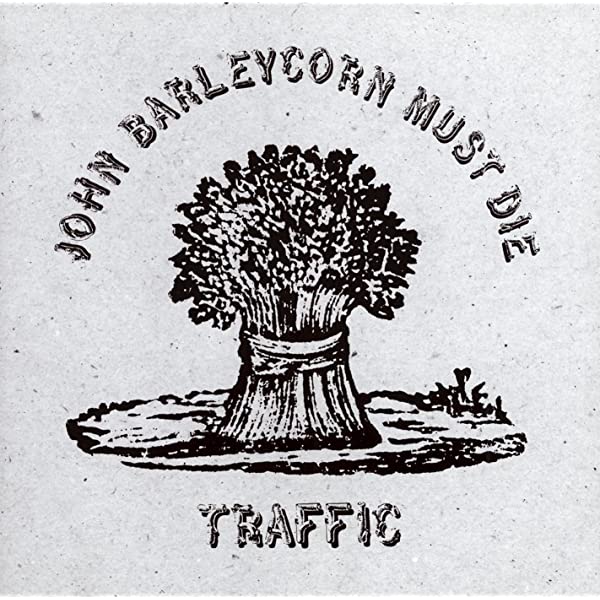
John Barleycorn Must Die
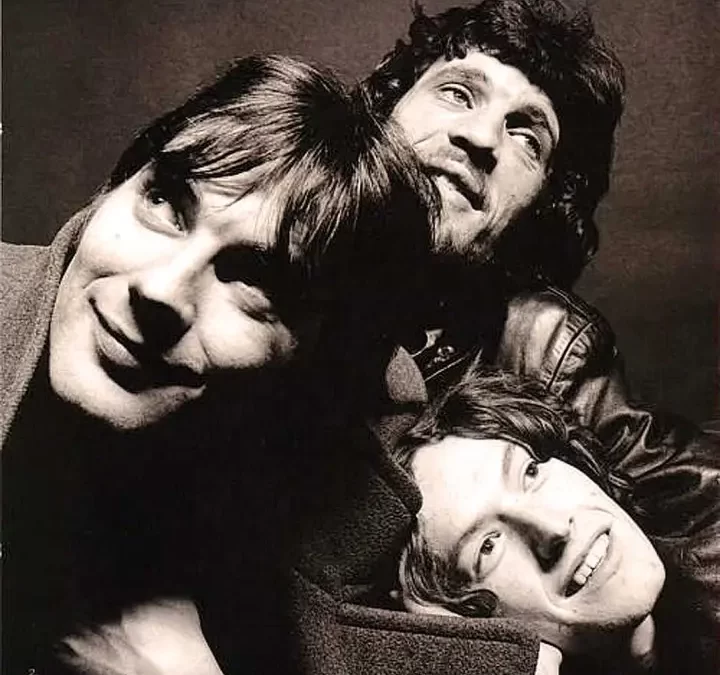
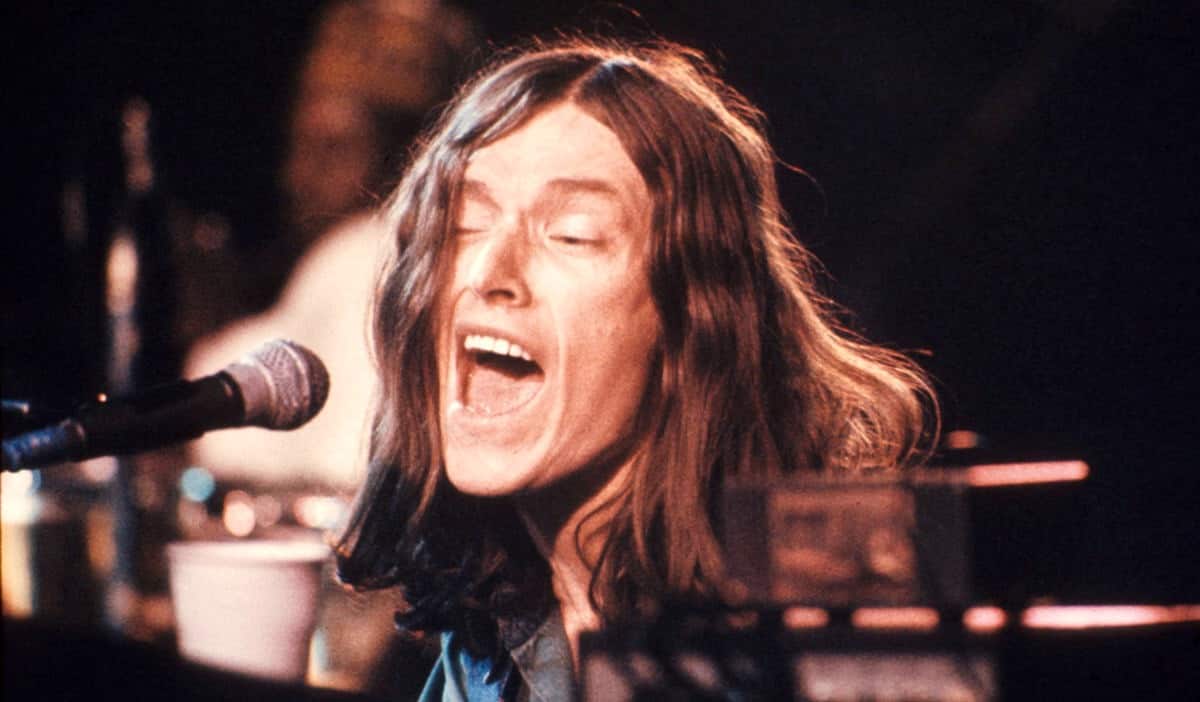
I first heard “John Barleycorn Must Die” on my brother John’s record player during the summer of 1981. It was a time when music became an essential escape, a way to navigate the turbulent landscape of adolescence. Coming off the back of Traffic’s “Empty Pages”, this English folk standard, passionately performed by Steve Winwood, haunted me in a way few songs ever had. It was not just the musicianship—Winwood’s prodigious talents alongside Traffic’s other estimable members like Jim Capaldi and Chris Wood—but the mythological story behind the song that deeply resonated.
At its core, “John Barleycorn Must Die” is a folk tune that depicts the process of making beer, with John Barleycorn symbolizing the barley crop. However, like all great folk tales, the song transcends its literal meaning. For me, as an adolescent grappling with my first real experience of emotional trauma, the lyrics embodied a fierce, mythical battle for survival. The song was more than an account of the barley’s journey to becoming beer—it was an allegory for the resilience of the human spirit in the face of struggle.
Winwood’s youthful yet seasoned voice carried an emotional weight that mirrored my own internal battles. It wasn’t just the song’s folk roots that connected to the past but its timelessness. There’s something primal in the song’s cyclical narrative of death and rebirth that felt intimately connected to the rites of passage I was experiencing at the time.
Music, for me, has always been introduced achronologically, meaning it comes into my life at the exact moment it’s supposed to, regardless of when it was originally released. My journey with Winwood actually began through his first solo album, “Steve Winwood”, which I had heard before “John Barleycorn Must Die”. His ability to weave folk, rock, and jazz effortlessly intrigued me, but it was “John Barleycorn Must Die” that truly encapsulated my experience of feeling both deeply vulnerable and incredibly resilient.
The song, though rooted in traditional English folklore, transcends time and place. The figure of John Barleycorn—who is repeatedly “cut down” and yet rises again—parallels the challenges we face in life. In my mind, the song became a reflection of the hormonal chaos of adolescence, where every setback feels apocalyptic but every victory feels monumental.
In 1981, I was just beginning to understand the rawness of my emotions and how music could mirror the complexities of my inner life. Traffic’s ability to blend jazz, rock, and folk allowed me to feel like I wasn’t just listening to a song but participating in a greater conversation about human experience. Their experimentation within rock allowed me to grasp the interconnectedness of different musical genres, as well as the idea that life is about the alchemy of disparate experiences—just like John Barleycorn himself, who must be ground down and reformed to become something entirely new.
Winwood and his bandmates took this ancient folk tale and made it both contemporary and eternal, much like my own relationship with the song. And in the way that folk music has always been about storytelling, “John Barleycorn Must Die” told a story I felt deeply a part of: the story of loss, transformation, and ultimately renewal.
This song reminds me that even as we grow and move beyond the trials of youth, those stories we carry from our adolescence remain alive in us, just as John Barleycorn rises again with every new harvest.
Steve Winwood – vocals, guitar, keyboards.
Jim Capaldi – drums, vocals.
Chris Wood – flute, saxophone, keyboards.
Ric Grech – bass, guitar, violin.
Rebop Kwaku Baah
Ghanaian percussionist

3 months ago
Sounds clear as a bell. So very impressive. All with respect to Steve Winwood and his musical excellence.


