
So What: Miles Davis, John Coltrane, and the Birth of Modal Jazz
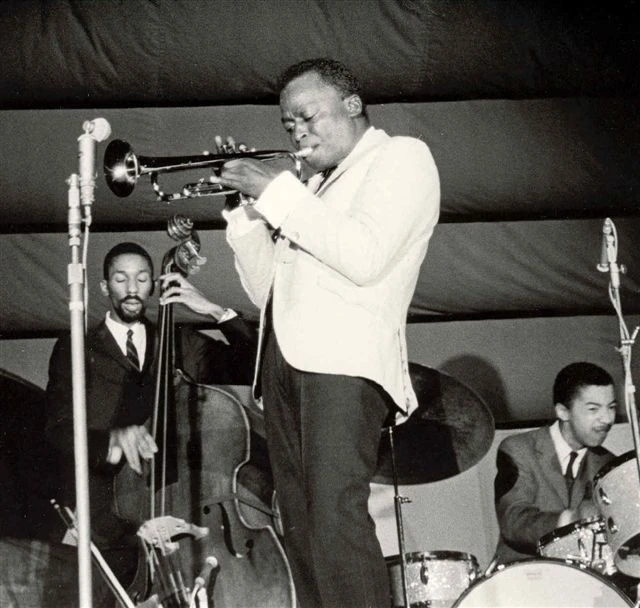
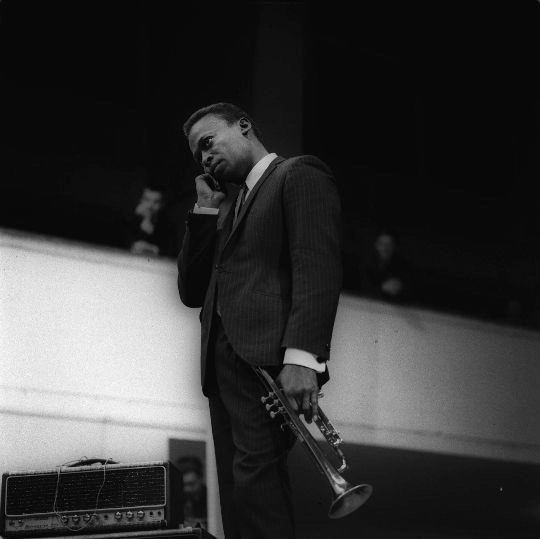
In the dim lights of a 1959 Friday night, jazz fans could close their eyes, letting the haunting trumpet of Miles Davis drift them into a place of smoky bars, contemplative solitude, and free-form expression. “So What,” the opening track on Kind of Blue, defines what it means to experience jazz, not simply hear it. It’s a sonic journey—a 9:22-minute exploration of modal jazz that reshaped the genre and lifted Davis to new heights of creativity, freedom, and influence.
The Making of a Landmark Album
Kind of Blue isn’t just another jazz album; it’s often cited as the definitive jazz recording. Released by Columbia Records on August 17, 1959, and recorded in just two days in March of that year, Kind of Blue became the pinnacle of modal jazz—a style Davis and his ensemble of jazz greats pioneered. The record boasts a lineup of musicians who each played an integral role in its timeless sound: Miles Davis on trumpet, John Coltrane on tenor saxophone, Cannonball Adderley on alto saxophone, Bill Evans on piano, Paul Chambers on bass, Jimmy Cobb on drums. This roster alone is staggering, with each member a powerhouse of jazz in their own right. Together, they became architects of a movement, abandoning bebop’s intense chord progressions for the open, spacious possibilities of modal composition.
The Composition: Breaking Down “So What”
“So What” begins in a calm, reflective D Dorian mode, rooted in a call-and-response format that offers a rare simplicity within jazz’s often complex landscape. The melody opens with a restrained, almost meditative bassline by Paul Chambers, whose warm notes set the mood, followed by a soft response from the piano. When Davis enters with the trumpet, it’s like a lone figure stepping onto a quiet stage. His tones are warm and reflective, yet there’s a sense of anticipation in each note, each silence.
Unlike the harmonic complexity of bebop, “So What” is structured around just two modes: D Dorian and E-flat Dorian. The piece moves between these two tonal centers easily, focusing more on mood and color than chord changes. This modal approach was radical for the time, yet Davis and his ensemble performed subtly, making it sound as if modal jazz had always been part of the genre.
The call-and-response pattern is the soul of “So What.” Davis’ trumpet opens, drawing you in with deliberate and introspective phrasing. Then, Coltrane’s saxophone enters with its unmistakable depth and urgency. As the track progresses, it swells and retreats, a dialogic improvisation in which Davis and Coltrane seem to answer each other in conversation—a conversation that feels as significant as any spoken word.
Miles Davis and John Coltrane: A Meeting of Giants
If jazz is about interplay and improvisation, the dynamic between Davis and Coltrane on “So What” is one of its most legendary examples. Their contrasting styles bring an incredible depth to the track. Davis’ minimalist, calculated trumpet lines create an open soundscape, while Coltrane’s tenor saxophone comes in like a rush, a torrent of rapid notes that intensify the piece’s energy. His solos soar, challenging the listener and adding layers of tension and release. There’s an undeniable chemistry between them, a spark that brings out the best in each musician, as Coltrane’s intense improvisations contrast with Davis’ more reserved delivery.
Both musicians were on their own spiritual and artistic journeys at this time. Davis was exploring ways to strip jazz down to its essentials, focusing on mood rather than speed or virtuosity. Meanwhile, Coltrane developed the “sheets of sound” approach that would later define his work. Together, they captured a moment that was less about individual brilliance and more about creating a unified, transformative experience for the listener.
The Impact of Modal Jazz
“So What” has since become one of the most recognized pieces of modal jazz, which emphasizes scales and modes rather than chord progressions. This approach allows for freedom in improvisation that wasn’t possible in bebop, making the soloist responsible for creating mood and texture. The impact of modal jazz was immense, paving the way for later artists who sought to break from traditional structures in search of something freer, more introspective, and emotionally raw. The track became a symbol of a new direction in jazz, inspiring musicians not only in jazz but across genres, from rock to classical.
The Legacy of “So What” and Kind of Blue
Over six decades later, “So What” remains as fresh as it was on that first listen in 1959. The track—and Kind of Blue as a whole—has been dissected, studied, and revered as one of the most significant moments in jazz history. Critics and musicians alike return to it as a touchstone for modal exploration, and it continues to attract new generations of listeners. For many, “So What” is the gateway into the world of jazz, a piece that’s both approachable and deeply complex.
Miles Davis’ work on Kind of Blue was not just about creating an album; it was about creating an enduring legacy. With “So What,” Davis and Coltrane captured a feeling, a moment in time that is as rich and vital today as it was in 1959. The track’s cool confidence, modal freedom, and layered dialog between instruments offer a blueprint for jazz artists looking to express themselves beyond the limits of form and tradition.
In the end, “So What” is more than just a composition; it’s an invitation. An invitation to let go of preconceived notions, to sink into the music, and to experience the journey of jazz—one phrase, one note, one silence at a time.
The Jazz Continuum: Trumpets, Pianos & Kindred Spirits
If “So What” opened the door to modal jazz, these three Cool Media features carry the conversation forward — from the singer Miles called his favorite to the pianists and trumpeters who orbited his legacy.
Shirley Horn — “If You Go”
Miles Davis famously declared her his favorite singer-pianist, and Quincy Jones compared her vocal presence to an exquisite garment that enfolds you, drawing you in with its sheer elegance.
Read the Masterclass → Trumpet LineageWynton Marsalis — No Better Blues
Marsalis and Davis share a complex connection defined by mutual trumpet mastery and generational tension. Through the Jazz at Lincoln Center Orchestra, Marsalis has performed and arranged historic Davis works — from the bop era to Gil Evans collaborations like Birth of the Cool.
Explore the Blues → Soul Jazz PianoBobby Timmons — Come On
Timmons never recorded with Miles, but their worlds interlocked through shared personnel — Cannonball Adderley, Jimmy Cobb, and Sam Jones all moved between the Miles/Cannonball camp and Timmons’ own trio dates, an interconnected web of hard bop and soul jazz.
Hear the Groove →